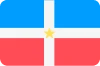
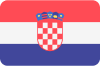
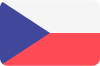
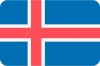
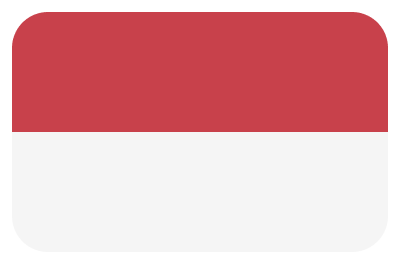
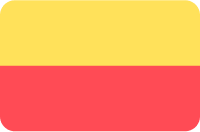
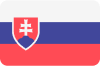
People often confuse Slovenia and Slovakia, leading to some surprisingly embarrassing situations. But why is there so much confusion in the first place?
The short answer: Slovak and Slovenian are two different languages. Slovak is a West Slavic language spoken mainly in Slovakia, while Slovenian, also called Slovene, is a South Slavic language spoken mainly in Slovenia. Their names just happen to look almost the same.
Slovak Vs Slovenian? Why The Mix-Up?
Not only do these countries have similar names in English, but the names of the countries and their languages in their respective native tongues are almost identical. Even I have to think twice when saying them!
I want to learn even more languages with Ling!
Download now!
- In Slovak:
- Slovakia is “Slovensko,” while Slovenia is “Slovinsko.”
- Slovak is “Slovenčina,” and Slovene is “Slovinčina.” (Notice how the “e” changes to an “i.”)
- In Slovene:
- Slovakia is “Slovaška,” and Slovenia is “Slovenija.”
- Slovak is “Slovaščina,” and Slovene is “Slovenščina.” (Here, the first “a” becomes an “e.”)
Both countries were parts of larger nations in recent history: Slovakia was part of Czechoslovakia, while Slovenia belonged to Yugoslavia. Today, they are both members of the European Union.
Despite these similarities, these two languages belong to different branches of the Slavic language family. Slovak is part of the West Slavic group, while Slovene belongs to the South Slavic group.
If we look at a Slavic language tree diagram, we’d naturally expect Slovene to be closer to Croatian than to Slovak. Before we look at what sets each language apart, let’s look at some embarrassing mix-ups that have occurred due to this confusion!
What Are Some Famous Slovakia And Slovenia Mix-Ups?
Confusing Slovakia with Slovenia has led to some notable blunders:
- In 1999, George W. Bush, then Governor of Texas, answered a question from a Slovak journalist with, “The only thing I know about Slovakia is what I learned firsthand from your foreign minister, who came to Texas.” But, he had not actually met the foreign minister of Slovakia but rather the prime minister of Slovenia.
- In December 2003, the Italian Prime Minister Silvio Berlusconi introduced the leader of Slovenia with the words, “I’m very happy to be here today with the prime minister of Slovakia.”
- In 2017, at the IIHF World Championship in Cologne, when Slovakia beat Italy in ice hockey, the arena played the national anthem of Slovenia!
Introduction To Slovenia And The Slovene Language
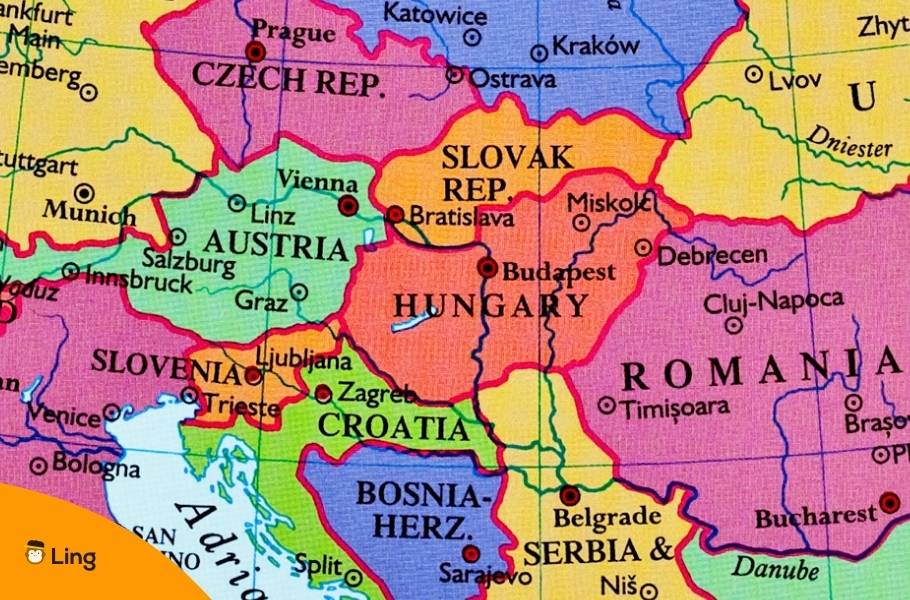
Slovenia is a gem often overlooked by travelers. This small yet diverse country is bordered by Italy, Austria, Hungary, and Croatia, offering a unique blend of Alpine landscapes, Mediterranean coastline, and lush forests.
As a South Slavic language, Slovene is spoken by about 2.5 million people, primarily in Slovenia. What sets Slovene apart is its retention of archaic features from Proto-Slavic, making it a fascinating study for linguists.
It’s one of the few languages that still uses the dual grammatical number, which refers to exactly two people or things. Most other Slavic languages have lost this feature over time. If you want to hear the language in action, start with these basic Slovenian words and phrases.
Several periods of history have left a lasting impact on the Slovene language and culture:
- Being part of the Roman Empire.
- Medieval rule under the Habsburgs.
- Later inclusion in Yugoslavia.
- Independence in 1991, after which Slovenia developed rapidly, joined the European Union in 2004 and became a modern, vibrant nation.
Introduction To Slovakia And The Slovak Language
Bordered by Poland, Ukraine, Hungary, Austria, and the Czech Republic, Slovakia boasts a diverse landscape that includes the towering Tatra Mountains, verdant forests, and historic castles perched on hilltops. This landlocked nation is renowned for its medieval towns, vibrant folk traditions, and the charming capital city of Bratislava, situated along the Danube River.
The Slovak language has close ties with Czech, Polish, and Sorbian, reflecting the interconnected histories and cultures of Central Europe. Spoken by around 5 million people primarily in Slovakia, Slovak stands out for its rich phonetic system, which gives it a distinct melodic quality. If Slovak is the one you’re curious about, here are the best apps to learn Slovak.
Slovakia has experienced a wide mix of cultural influences over the centuries:
- The Great Moravian Empire in the 9th century.
- Centuries under Hungarian and later Austro-Hungarian rule.
- The peaceful dissolution of Czechoslovakia in 1993, which established Slovakia as an independent nation and capped its long struggle for national identity.
Slovak Vs Slovenian: Key Takeaways
It’s easy to see why people mix up Slovenia and Slovakia: similar names, shared histories as parts of larger nations, and membership in the European Union. Still, these two countries and their languages are distinct in many ways:
- Country: Slovak is spoken mainly in Slovakia, Slovenian mainly in Slovenia.
- Name of the language in itself: Slovenčina (Slovak) and Slovenščina (Slovene).
- Language family branch: Slovak is West Slavic, alongside Czech, Polish and Sorbian. Slovenian is South Slavic, alongside Croatian.
- Speakers: around 5 million for Slovak and about 2.5 million for Slovenian.
- Recent history: Slovakia was part of Czechoslovakia until 1993, and Slovenia was part of Yugoslavia until 1991.
Despite the occasional embarrassing mix-ups, these differences make each country a unique destination with its own language, culture, and history. By understanding more about the similarities and distinctions between Slovenia and Slovakia, you can gain a richer appreciation for the diversity within the Slavic world and a clearer sense of where each of these fascinating nations fits into Europe’s cultural and linguistic landscape.
Whether you’re planning a trip to explore Slovakia’s medieval castles or Slovenia’s beautiful coastline, or you’re simply intrigued by the languages and cultures of these two nations, I hope this blog has shed some light on what makes each of them special.
Thank you for reading! If you have any stories of your own about confusing these two countries or experiences traveling in them, feel free to share them in the comments below!
Frequently Asked Questions About Slovak And Slovenian
Is Slovak The Same As Slovenian?
No. Slovak is a West Slavic language spoken mainly in Slovakia, and Slovenian, also called Slovene, is a South Slavic language spoken mainly in Slovenia. They are separate languages with similar names.
Is Slovenian Closer To Slovak Or Croatian?
Slovenian belongs to the South Slavic group, the same branch as Croatian, while Slovak belongs to the West Slavic group with Czech and Polish. On the Slavic language tree, Slovenian sits closer to Croatian than to Slovak.
What Are Slovakia And Slovenia Called In Slovak And Slovene?
In Slovak, Slovakia is Slovensko and Slovenia is Slovinsko. In Slovene, Slovakia is Slovaška and Slovenia is Slovenija, so even native speakers have to listen closely.
Start Learning Slovenian Or Slovak With Ling
Well done, you can now tell Slovakia and Slovenia apart, which already puts you ahead of a few world leaders! The next step is hearing how different the two languages really sound.
With flashcards, native speaker audio, fun mini-games and Dialog for real conversation practice, Ling makes learning simple and enjoyable in 70+ languages. Start learning Slovenian today, or learn Slovak if its castles caught your eye, and you’ll never mix the two up again!