

When you started learning Albanian, you might have noticed that the language has different ways of speaking, depending on the situation. Like many languages, Albanian has both formal and informal speech, and it’s extremely important to be able to distinguish between the two and know how to use them.
That’s why we decided to create this beginner’s guide— to walk you through the basics of Albanian formal language and show you how to use it correctly. So, if you want to know the ins and outs of formality in the Albanian language, let’s begin!
Table Of Contents
When And Why To Use Albanian Formal Language
As a beginner, you might feel confused about when and why to use Albanian formal language. But don’t worry, it’s not as difficult as you think. Formal speech is used to show respect, especially when you’re talking to people that you don’t know well, elders, or in a professional environment. It’s a way of being polite and making a good impression on Albanians.
I want to learn even more languages with Ling!
Download now!
You should use Albanian formal language in situations like meeting someone for the first time, talking to your boss or colleagues, or when you’re in a serious setting like a business meeting or ceremony. It is also important to use formal speech when you talk to elders, as it’s a sign of respect for their age and experience.
Even if you’re just starting to learn the language, using formal language shows that you’re taking the culture seriously and care about how you communicate. Being polite goes a long way and can help you build a good relationship with others wherever you are.
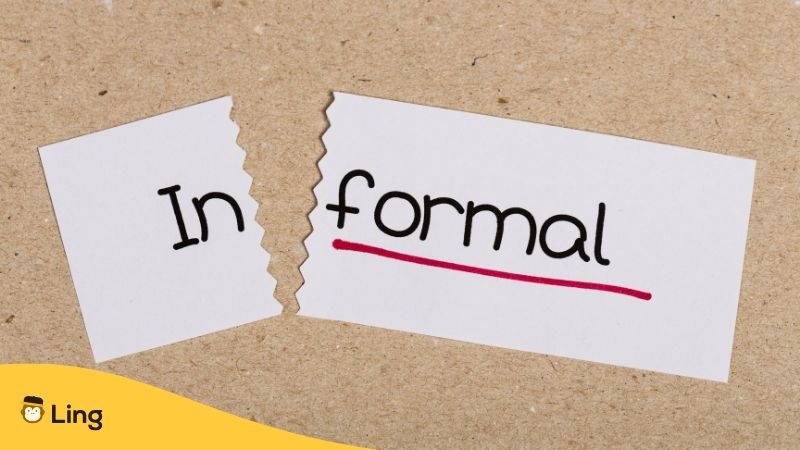
Formal Vs. Informal Albanian
Just like in English and other languages like Spanish, Albanian has different ways of speaking depending on who you’re talking to. You wouldn’t speak to your boss the same way you talk to your best friend, right? The same rule applies to the Albanian language. Formal speech is used to show respect, while informal speech is more relaxed and casual. Let’s see how they work:
Albanian Pronouns
One of the biggest differences between formal and informal Albanian is the way you say ‘you.’
- Ju is the formal way to say “you,” and it’s used when you communicate with strangers, elders and in a professional setting.
- Ti is the informal version, which is used with friends, family, and people around your age.
Let’s look at the difference between these two Albanian pronouns when we conjugate the verb ‘to be,’ which is jam:
| English | Albanian | Sound |
|---|---|---|
| I am | Unë jam | |
| You are (informal) | Ti je | |
| You are (formal) | Ju jeni | |
| He is / She is / It is | Ai është / Ajo është | |
| We are | Ne jemi | |
| You are (plural or polite) | Ju jeni | |
| They are | Ata janë / Ato janë |
For example, if you want to ask ‘How are you’ in Albanian, there are two ways of doing it. If you’re saying it to your boss or colleague, you would say:
- Si jeni? (How are you?- formal)
However, if you’re asking a friend, you’d say:
- Si je? (How are you?- informal)
Using Ju instead of Ti according to the situation shows good manners and respect.
Albanian Sentence Structure
Another key difference between formal and informal expression is how Albanian sentences are structured. Albanian formal language uses complete sentences and avoids slang, while informal speech is more relaxed and often shortens some expressions.
Some of the best examples are when we introduce ourselves, thank someone, ask for help, or ask them to wait. These are things that happen all the time. Let’s take a look at how they’re different in formal and informal Albanian:
| English | Albanian (Formal) | Sound | Albanian (Informal) | Sound |
|---|---|---|---|---|
| Thank you for your help. | Ju faleminderit për ndihmën tuaj. | Faleminderit! | ||
| Excuse me, can you help me? | Më falni, a mund të më ndihmoni? | Hej, më ndihmon dot? | ||
| Please wait a moment. | Ju lutem, prisni një moment. | Po pres një moment. |
Albanian Greetings: Formal Vs. Informal
When it comes to greetings, there are different levels of formality. Some greetings can be used both formally and informally, with the only difference being the tone. Below, we’ll show some examples. However, when in doubt, it’s always safer to use the formal version.
Albanian Formal Greetings
Let’s look at some examples of formal Albanian greetings that you should use when speaking to strangers, elders, and your boss or colleagues.
| English | Albanian | Sound |
|---|---|---|
| Good morning | Mirëmëngjes | |
| Good day | Mirëdita | |
| Good evening | Mirëmbrëma | |
| Hello | Përshëndetje | |
| How are you? | Si jeni? | |
| Nice to meet you | Gëzohem që ju njoha | |
| Excuse me | Më falni | |
| Goodbye | Mirupafshim |
Albanian Informal Greetings
Now, let’s look at some informal Albanian greetings that you can use with family, friends, and people you trust.
| English | Albanian | Sound |
|---|---|---|
| Hello | Hej | |
| How are you? | Si je? | |
| What’s up? | Çkemi? | |
| Nice to meet you | Gëzohem që u njohem | |
| Goodbye | Shihemi |
Tips For Using Albanian Formal And Informal Language
If you have come this far, it means you’ve learned the basics of Albanian’s formal and informal language, so now let’s make sure you can use them confidently. Here are a few tips to help you switch between the two smoothly in different situations:
- When in doubt, always start with formal language to show respect, especially with strangers or in professional settings.
- Use informal Albanian only with close friends, family, or people of your own age.
- Remember to use Ju (formal “you”) in situations that require respect, like meeting your boss or addressing an elder. For casual conversations, like talking to your friends or peers, switch to Ti (informal “you”).
- If you’re unsure which form to use, it’s always safer to go with formal language.
- Keep your Albanian sentences complete and avoid slang when speaking formally.
- Be mindful of cultural differences when talking to Albanians to show respect and avoid misunderstandings. The Ling app’s culture notes feature can help you better understand the cultural nuances in Albanian formal and informal speech, making it easier to navigate conversations with native speakers.
- Pay attention to the tone and body language of others to know when it’s okay to switch from formal to informal.

Frequently Asked Questions About Albanian Formal Language
1. Can I Switch Between Formal And Informal Albanian During A Conversation?
It’s best to stick to one style throughout a conversation. If you start with formal language, try to keep it formal unless the other person invites you to switch to informal.
2. How Can I Tell If Someone Wants Me To Switch To Informal Albanian?
If the person seems relaxed or uses informal language first, it’s usually a sign that they’re comfortable switching to informal Albanian with you.
3. Can I Use Informal Albanian In Written Communication?
Informal Albanian is usually fine for texts or messages with friends, but for professional or official written communication like letters or work emails, always stick to the formal version.
Wrapping Up
Now that you’ve learned the basics of Albanian formal and informal language, you’re ready to start using them in the real world. Don’t be afraid! Just remember: use Albanian formal language when you speak with strangers, elders, or in professional settings. On the other hand, use informal Albanian for friends, family, and people your age—simple, right?
The most important thing to remember is to pay attention to your surroundings and the people you’re speaking with. Not sure? Go formal! The more you practice, the easier it will get to switch between the two.
Learn Albanian The Right Way
Would you like to learn Albanian? Now that you understand the basics of the formal language, you can continue building your skills with Ling. Its engaging platform is easy to use, offering practical grammar lessons and helpful cultural notes to guide you all the way to fluency. You can even try it for free!
What are you waiting for? Take advantage of the free trial and start learning Albanian the right way.