


Everybody dreams about a career abroad at some point. If you are particularly interested in working in Thailand, this will be a simple guide to the work culture in Thailand.
A small reminder before we get started, you may want to take a look at our blog post on Thai business vocabulary if you plan on working in Thailand.
We will cover topics such as workplace environment, business culture, well-known companies in Thailand, and a great app to help you get started learning the amazing Thai language.
Learning Thai is more than memorizing words
Explore more →
Table of Contents
Finding A Job In Thailand
When you search online for jobs in Thailand, you’ll most likely find a high demand for international school teachers or English teachers for language schools. If you have previous teaching experience, a TEFL, or a degree related to education, then it’s highly likely that you’ll be able to find a job in Thailand.
Keep in mind that you must have a work permit to be able to stay and work in Thailand. However, most companies should provide this for you.
What Is The Work Culture In Thailand?
Work culture in Thailand has its own set of rules and etiquette. If you know how to act in different situations in the workplace, building relationships with other employees in your company will be much easier.

Working Hours In Thailand
The Thai Ministry of Labor regulates working hours in the country. Working hours are usually 40 over a five-day period but can be up to a maximum of 48 hours per week.
Employees should receive a one-hour break after working for 5 consecutive hours unless there is an additional agreement between the employee and employer. Since break hours are not considered working time, they are unpaid.
Employees should have a minimum of one day’s rest per week and the gap between days off must not exceed six days.
Under the Employment Protection Act of Thailand, overtime on a normal workday should be paid at least 150% of the regular hourly rate. Employees asked to work on holidays must be paid twice the normal hourly rate or three times the normal rate if working overtime on holidays.
Thailand Working Etiquette
In Thailand, you should avoid pointing out mistakes and criticizing in front of other people. Avoid raising your voice while talking to your coworkers and bosses. Greetings are also important in the work environment, so don’t forget to give the most senior person a “wai greeting” with a slight bow.
Exchanging business cards is very common. If you have dual-language cards, present yours with the Thai language side up and with both hands.
In terms of the dress code, conservative is always better since it is a workplace. The way you dress is linked to respect.
Gift-giving is another essential part of Thai culture when working. Reciprocal gifts are common, but it’s best not to open the gift in front of the person who gave it.
Minimum Wage In Thailand
All provinces in Thailand set their own minimum wage amount since there isn’t a national minimum wage. The lowest daily rates are THB 313 in Narathiway and THB 336 in Yala. The minimum hourly wage in Bangkok is approximately THB 331.
Vacations
Employees are allowed to have six days of paid vacation per year on the condition that they complete one full year of service in the same job.
Maternity Leave In Thailand
The Labor Protection Act provides maternity leave of up to 98 days, including holidays. It’s important to note that maternity leave begins with the birth of the child. If you want to take a prenatal leave you need a doctor’s report and you can receive full payment for the first 45 days.
Some additional points to remember:
- When the child is born, you should be given a sum payment of THB 13,000
- During your maternity leave, you will be paid 50% of your normal wage (capped at THB 15,000)
Sick Leave And Benefit In Thailand
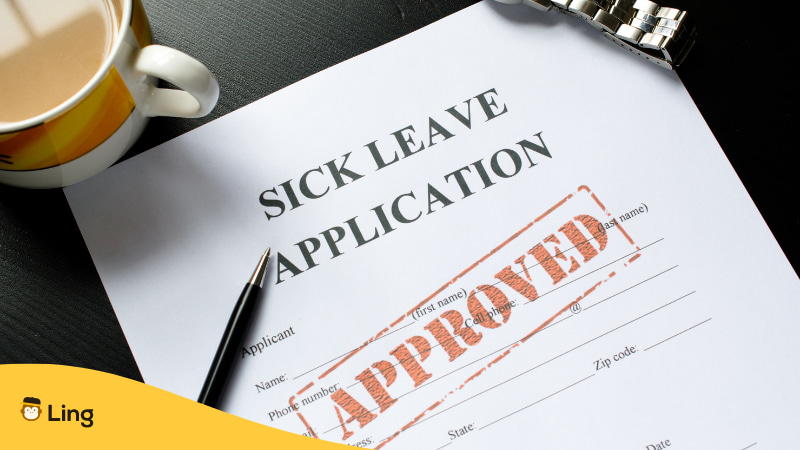
Employees should have 30 days of sick leave per year which is paid by the employer. The employer can request a medical report if the employee’s leave lasts more than three days.
The Workers’ Compensation Fund will provide up to 60% of the monthly wage (capped) in case of workplace injuries or occupational disease.
Working With Thai People
In general, Thai people tend to avoid confrontation, even in business meetings. Also, if you make a mistake at work, you’re unlikely to be warned about it directly because they won’t want to hurt your feelings.
Thai people are also not very competitive; however, you are still expected to do your best. If you’re planning on working in Thailand, don’t expect the same competitiveness that exists in the West.
Another point to note is that Thai people often say they understand even when they don’t. Of course, not everybody is like this, but if you give a Thai employee a task and ask, “Do you understand?” they will typically reply “yes” even if they don’t.
How Do You Say Work In Thai?
The Thai word for travel is ทำงาน (thamŋaan)
If you want to talk about working in Thailand, you can say ‘I am working in Thailand’ or Chǎn kamlaŋ thamŋaan nay pràthêetthay ฉันกำลังทำงานในประเทศไทย
Other Vocabulary For Work In Thai
Now that you know how to say ‘I am working in Thailand’ in Thai, you can try practicing talking about working in Thailand with these example sentences.
| English | Thai | Pronunciation | Sound |
|---|---|---|---|
| I am working in Thailand. | ฉันกำลังทำงานในประเทศไทย | chǎn kamlaŋ thamŋaan nay pràthêetthay | |
| I am working in Bangkok. | ฉันกำลังทำงานในกรุงเทพ | chǎn kamlaŋ thamŋaan nay kruŋ thêep | |
| I am working in Chiang Mai. | ฉันกำลังทำงานในเชียงใหม่ | chǎn kamlaŋ thamŋaan nay chiaŋmày | |
| I am working in Phuket. | ฉันกำลังทำงานในปภูเก็ต | chǎn kamlaŋ thamŋaan nay phuukèt |
Frequently Asked Questions About Work In Thailand
Can I Get A Job In Thailand Without Speaking Thai?
Generally, if you get hired as an expat in an international company or as a language teacher, the Thai language won’t be a requirement. Other jobs are different, of course, and speaking Thai certainly won’t hurt your prospects
Is Thailand A Good Place To Work?
Yes, Thailand is a good place to work no matter if you are a foreigner or a Thai native. Working in Thailand as a foreigner can be quite appealing. You will have more stability with the same employer and potentially more opportunities for career advancement. In addition to that, some employers might provide additional benefits such as health insurance, housing stipends, and other perks.
Can I Work In Thailand As A Foreigner?
Yes, foreigners are allowed to work in Thailand if you have a valid visa, a work permit and is employed with an occupation that does not violate the Alien Employment Act.
Try A New Career Path In Thailand Today
If you want to explore Thailand and settle down, we encourage you to learn Thai first. If you are looking for an efficient way to learn Thai before traveling to or living in Thailand, the Ling app is here for you! Explore this beautiful language today!















































































