


What if your mother asks you to get bottle guard – lauki (لوکی) from the market, but you don’t know what lauki (لوکی) is? An embarrassing moment, right?
That’s where mastering vegetables in Urdu can help you.
Pakistan offers many vegetarian-friendly dishes. Traditional spices and flavoring agents such as chilies, turmeric, garlic, and ginger, are frequently used in their preparation.
Learning Urdu is more than memorizing words
Explore more →
Further, many seasonal vegetables – sabzian (سبزیاں) are cooked into delectable and spicy curries, which are then served for lunch or dinner.
Hence, you need to use vocabulary related to vegetables more often. Otherwise, you will end up disappointing your family.
So, let’s explore the vegetables in Urdu and avoid this embarrassing situation in front of your loved ones!
Table of Contents
Names Of Vegetables In Urdu
According to recent research, Pakistan is the world’s second-fastest-growing vegetarian country. For a variety of reasons, many individuals in Pakistan are switching to a vegetarian diet.
The most cited is that veggies are an important part of a healthy diet.
Many restaurants have had to adjust their menus as a result of the shifts in eating habits. As a result, Pakistan’s meat intake has decreased dramatically and has already hit a new low.
Below is the list of vegetables in Urdu:
| English | Urdu | Pronunciation |
|---|---|---|
| Lettuce | سلاد پتا | Salad patta |
| Mint | پودینا | Podina |
| Cauliflower | پھول گوبھی | Phool gobhi |
| Cabbage | بند گوبھی | Band gobhi |
| Cucumber | کھیرا | Kheera |
| Coriander | دھنیا | Dhaniya |
| Spinach | پالک | Palak |
| Eggplant | بینگن | Baingan |
| Fennel | سونف | Saunf |
| Beet root | چقندر | Chaqandar |
| Turnip | شلجم | Shaljam |
| Bell pepper | شملہ مرچ | Shimla mirch |
| Bitter gourd | کریلا | Karela |
| Radish | مولی | Mooli |
| Garlic | لہسن | Lehsan |
| Ginger | ادرک | Adrak |
| Zucchini | توری | Tori |
| Corn | مکئی | Makai |
| Pumpkin | کدو | Kaddu |
| Okra | بھنڈی | Bhindi |
| Red chilies | لال مرچ | Lal mirch |
| Celery | اجمود | Ajmaud |
| Tomato | ٹماٹر | Tamatar |
| Maringa | سہانجنا | Sahanjna |
| Onion | پیاز | Pyaz |
| Pea | مٹر | Matar |
| Parsnip | چکبسور | Chakabsaur |
| Yam | اروی | Arvi |
| Horseradish | مونگا | Monga |
| Artichoke | فرشوف | Farshof |
| Ash gourd | پیٹھا | Paitha |
| Mushroom | کھمبی | Khumbi |
| Swiss chard | سفیدچقندر | Safaid chaqanar |
| Olives | زیتون | Zaytoon |
| Lemon | لیموں | Leemun |
| Asparagus | موصلی سفید | Mausli safaid |
| Sweet potato | شکر قندی | Shakkar qandi |
| Bok choy | چینی پالک | Chinese palak |
| Green beans | سبز پھلی | Sabz phali |
| Beans | پھالیان | Phaliyan |
| Brassica | سرسون | Sarsoon |
| Luffa | گھیا توری | Ghaiya tori |
| Bottle gourd | لوکی | Loki |
| Apple gourd | ٹنڈا | Tindae |
| Carrot | گاجر | Gajar |
Use Of Names Of Vegetables In Urdu In Common Sentences
To enhance your vocabulary further, consider below the names of vegetables in Urdu used in sentences.
| English | Urdu | Pronunciation |
|---|---|---|
| Is lemon fruit or vegetable? | لیموں پھل ہے یا سبزی؟ | Leemu phal hai ya sabzi? |
| He is interested in the cultivation of potatoes. | وہ آلو کی کاشت میں دلچسپی رکھتا ہے | Woh aaloo ki kasht mein dilchaspi rakhta hai. |
| We have a cauliflower stir-fry for supper tonight. | ہم آج رات کے کھانے میں گوبی سٹر فراۓ کھائیں گے | Ham aaj raat key khaney main gobhi stir fry khayein gey |
| Cook carrots separately from bell pepper until just tender. | گاجر کو شملہ مرچ سے الگ کرکے پکائیں جب تک کہ وہ نرم نہ ہوں | Gajar ko shimla mirch se alag ker key pakayein jab tak key wo naram na hou jaye. |
| Cheese can be sprinkled on vegetable dishes. | پنیر کو سبز یوں پر چھڑکا جا سکتا ہے | Paneer ko sabziyoun par chirka jasakta hai |
| I will eat cucumber salad only. | میں صرف کھیرے کا سلاد کھاؤں گا۔ | Mein sirf kheerae ka salaad khaun ga. |
| The main course was the pumpkin soup. | مین کورس کدو کا سوپ تھا۔ | Main course kaddu ka soup tha. |
| We planned to visit a bean garden. | ہم نے پھلیئوں کے باغ کا چکر لگانے کا فیصلہ کیا | Ham ne phlyioun key bagh ka chakr laganey ka iraada kiya |
| Onion price changes according to the season. | پیاز کی قیمت موسم کے مطابق بدلتی رہتی ہے۔ | Pyaz ki qeemat mausam key mutabiq badalti rehti hai. |
| I am going to cook a tomato soup. | میں ٹماٹر کا سوپ بنانے جا رہا ہوں۔ | Mein tamatar ka soup bana ne ja raha hun. |
| Please comment on this vegetable salad. | آپ کو یہ سبزی کا سلاد کیسا لگا | Aapko ye sabzi ka salaad kaisa laga |
| Okra is my favorite among all vegetables. | مجھے ساری سبزیوں میں بھنڈی پسند ہے | Mujhe saari sabziyoun main bhindi pasand hai |
| Am I the only one who likes bitter gourd? | کیا صرف مجھے کریلا پسند ہے؟ | Kiya sirf mujhe karela pasand hai? |
| Which vegetable are you cooking today? | آج آپ کون سی سبزی پکا رہے ہیں؟ | Aj aap kaun se sabzi paka rahae hain. |
| Can you tell me vegetable names in Urdu? | کیا آپ مجھے سبزیوں کے نام اردو میں بتا سکتے ہیں؟ | Kia ap mujhae sabziyoun key naam urdu mein bata sakte hain? |
| Do you like fruits or vegetables? | کیا آپ کو پھل پسند ہے یا سبزی؟ | Kiya aap ko phal pasand hai ya sabzi? |
| I will comment on this vegetable soup. | میں آپ کو بتاؤں گا کہ مجھے سبزی کا سوپ کیسا لگا | Main aapko bataounga key mujhe sabzi ka soup kaisa laga. |
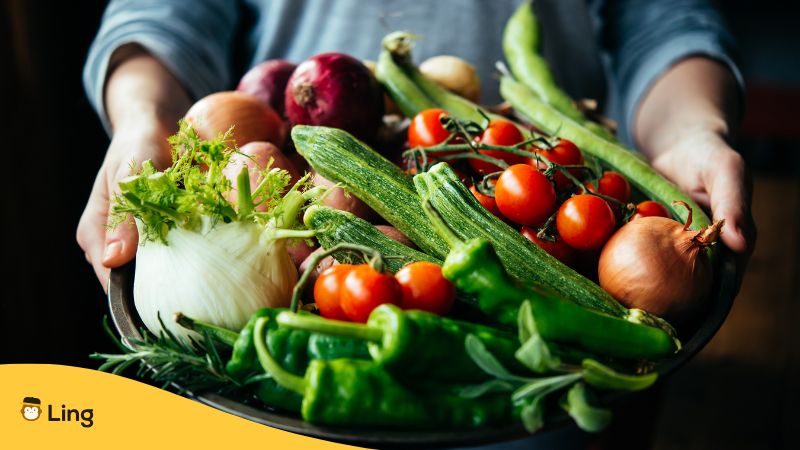
What Do We Call Vegetables In Urdu?
In Urdu we refer to vegetables as sabzian (سبزیاں). Its singular form is sabzi (سبزی). As there is a long list of vegetables, Pakistanis cook them in different ways.
For instance, vegetable curry – sabzion ka salan (سبزیوں کا سالن) is the most popular cuisine in Pakistan, which is cooked by mixing different vegetables together like mix sabzi (مکس سبزی), aloo gobi (آلو گوبی), and palak paneer (پالک پنیر), to name some.
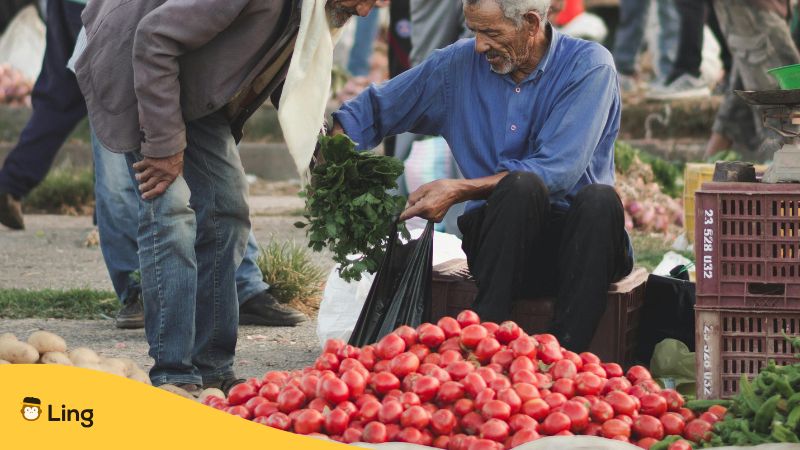
In fact, in most cities of Pakistan, there is a sabzi mandi (سبزی منڈی), where fresh vegetables are sold.
Tips To Quickly Learn Vegetables In Urdu
Below are a few quick tips for you to master vegetables in Urdu quickly and accompany your parents in their next grocery shopping!
- Start with the vegetables that we use daily. For instance, we say potato in Urdu as aloo (آلو), tomato as tamatar (ٹماٹر), onions as pyaaz (پیاز), garlic as lehsan (لہسن), and ginger as adrak (ادرک), etc.
- Use visual flashcards. Use pictures of vegetables as flashcards. You can do this by writing their Urdu names on the backside. I will help you master vegetables in Urdu easily because we remember things longer when we see them.
- Try to make simple sentences to memorize vegetable names easily. For instance, you can say, this is carrot as yeh gajar hai (یہ گاجر ہے).
- Label the vegetables in your kitchen. In this way, you can remember what we call the particular vegetable in Urdu that you picked.
- Watch cooking shows to repeat and revise the names of vegetables in Urdu that you have mastered.
Common Questions Related To Vegetables In Urdu
Is Urdu A Dialect Of Hindi?
Urdu isn’t a dialect of Hindi. Both are two different languages, but have the same linguistic root.
Therefore, they have significant similarities in terms of spoken language and differences mainly in terms of the script and cultural connotations.
In fact, the grammatical structure of Urdu and Hindi is also same, so we can say that both Hindi and Urdu are mutually intelligible to an extent. Yet, are two different languages with vocabulary and script of their own.
Is It Sabji Or Sabzi?
In Urdu, the correct way of saying vegetable is sabzi (سبزی) and not sabji (سبجی). The latter is the Hindi word for vegetables. In Hindi, it reads as Sabji (सब्जी).
Nonetheless, both words are derived from the same Persian root word and only slightly differ in pronunciation and script.
Does The Quran Mention Vegetables?
Yes, the Quran does mention various fruits and vegetables in distinct contexts.
For instance, Verse 61 of Surah Baqarah refers to the Non-Muslims asking Moses to request Allah for different types of fruits and vegetables like Cucumber, Garlic, Lentils, and Onions – wa-qisaiha, wa-fomiha, wa-adasiha, wa-basaliha ( وَقِثَّآئِهَا وَفُومِهَا وَعَدَسِهَا وَبَصَلِهَا) as they can’t eat the same food daily.
In short, the Quran emphasizes the importance of plants, vegetables, and fruits as part of the sustenance provided by Allah as a whole.
Become Your Mother’s Favorite Child With These Words
Mastering the names of vegetables in Urdu can let you win your mother’s heart in no time! It can, in fact, make you her favorite child. Yes, these words are this powerful for a desi, Urdu-speaking mother.
With this in mind, we have jotted down the names of around 30 vegetables in Urdu, including the names and the exemplary sentences.
Also, this article contains a short list of handy tips that you should follow to impress your parents in no time.
Just remember, we say vegetable in Urdu as sabzi (سبزی) and not Sabji (सब्जी).
Also, please look at our articles about basic Urdu words and greetings in Urdu to have a quick look at what we offer and get a sneak peek at other ways to impress your family.
Want To Learn More?
Are you interested to learn Urdu more but don’t know from where? Don’t worry!
The Ling App is a fantastic platform that you should check out right now! It is a language-learning application that makes complex language topics easy to understand by offering beginner-friendly lessons.
These lessons, paired with exercises and quizzes, ensure you become as proficient in Urdu as a native speaker.
In this way, you can own your heritage and convince your family that you still love your culture!