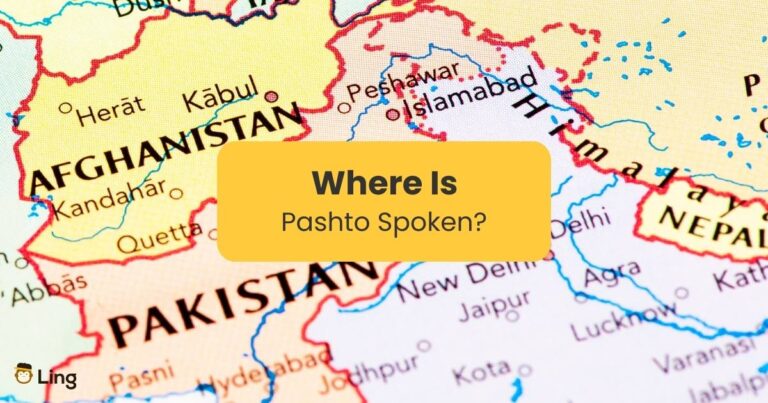
Language becomes the greatest barrier when traveling to a country where most people don’t speak English. So, if you are planning to visit Afghanistan or Pashto-speaking regions soon, some useful phrases in Pashto will help you interact with locals and make your trip easier and more fun.
Knowing the basics of the local language also helps you connect with the culture more deeply. With this in mind, let’s learn the basic travel-related Pashto phrases that will help you feel more connected and confident on your journey.
List Of Useful Phrases In Pashto
The most useful phrases in Pashto for a trip are greetings like hello, salam (سلام), polite words like please, mehrbani okrai (ئمہربانی اوکړئ), and simple questions like where is this hotel?, da hothal cherta de? (دا هوټل چېرته دی؟). I have divided the most common useful phrases in Pashto into sections, from greetings to emergencies, to make them easier to learn. Let’s begin!
I want to learn even more languages with Ling!
Download now!
Common Greetings And Expressions
We will start with the Pashto greetings and expressions, which are the first step in starting conversations or making friends.
| English | Pashto | Pronunciation |
|---|---|---|
| Hello/ Peace be upon you | سلام/ اسلامُ علیکم | Salam/Assalamualaikum |
| Goodbye | دا خدائی پامان/مخ دې ښه | da khoday pa amaan / makha de khah |
| Good morning | سہار مو پخیر | sahaar mo pa kheyr |
| Good night | شپه مو پخیر | shpa mo pa kheyr |
| Good afternoon | ماسپښين مو پخیر | maspakhin mo pa khair |
| Please | ئمہربانی اوکړئ | mehrbani okrai |
| Thank you | مھربانی | mehrbani |
| Sorry | معافي غواڑم | maafi gawaram |
| No problem | هیڅ خبره نه ده | his khabara na da |
| Good evening | ماښام مو پخير | maakhaam mo pa kheyr |
Daily Used Phrases
Here are some useful phrases in Pashto that you can use to initiate small talk:
| English | Pashto | Pronunciation |
|---|---|---|
| How are you? | ته څنګه يې؟ | ta sanga ye? |
| What’s your name? | ستا نوم څه دی؟ | sta num tsa dhe? |
| I am good. What about you? | زه ښه يم، ته څنګه يې؟ | za kha yam. ta sanga ye? |
| My name is Ali | زما نوم علی دے؟ | zama num Ali dey. |
| Where are you from? | ته د کوم ځای يې؟ | ta da kum zey ye? |
| I am from Germany | زه د آلمان يم. | za da alman yam. |
| Happy to see you | په ليدو مو خوشاله شوم. | pa lidalo mo khushala shum |
| Take care | احتیاط کوه | ehtiyat kawa |
How To Ask Basic Questions
Below are a few basic questioning phrases related to directions, transportation, food, and accommodation that you may have to ask when exploring a new country:
| English | Pashto | Pronunciation |
|---|---|---|
| What time is it? | څو بجې دي؟ | so baje de? |
| Where is it? | دا کم زے کی دے؟ | da kum zai ke de? |
| What is this? | دا سہ شے دے؟ | da sa shey de? |
| Where is this hotel? | دا هوټل چېرته دی؟ | da hothal cherta de? |
| Can you please help me? | مہربانی اوکڑئی، تاسو زما مدد کولائی شئی؟ | mehrbani okrai taso zama madad kolai Shei? |
| What is its cost? | دا دی قیمت سہ دے؟ | da di qeemat sa day? |
| Where can I find a taxi? | ماتہ بہ ټکسي چرته ملاؤ شی؟ | mata ba taxi kamze milao shi? |
| Where does this bus go? | دا بس چېرته ځي؟ | da bus chrta zi? |
| Which bus goes to this place? | کوم بس دې ځای ته ځي؟ | kum bus de zey ta zi? |
| I want to book a room | زه غواړم یو کوټه ریزرف کړم. | za ghwaram yo kota reserv kram. |
| For two nights/ day | دوه شپې لپاره/ دوه ورځې لپاره | dhwa shpa lapara/ dhw wrazi lapara |
| I need a bottle of water | زه د اوبو یوه بوتل غواړم. | za da obo yo bothal ghwaram. |
| It is very tasty | دا سم مزیدار دے | da Sam mazedar day |
| Is this food halal? | ایا دا خواړه حلال دي؟ | aya da khwara halal de? |
| Do you have vegetarian options? | ایا تاسو د سبزي خوړونکو لپاره خواړه لرئ؟ | aya taso da sabzi khwarunko lapara khwara larai? |
| Bring the menu | مېنو راوړہ | menu raora |
What To Say In Case Of Emergencies
Now that you have learned some useful phrases in Pashto, let’s look at how you can express your needs in Pashto if you get into any unfortunate emergency:
| English | Pashto | Pronunciation |
|---|---|---|
| How can I call the police? | زه څنګه پولیسو ته زنګ ووهلم؟ | za sanga polico ta zhan wawaham? |
| Where is this hospital? | دا روغتون چېرته دی؟ | da roghtun cherta de? |
| I need an ambulance | زه امبولانس ته ضرورت لرم/ زه امبولانس ته اړتیا لرم. | za ambulance ta zarurat laram/ za ambulance ta artiya laram. |
| I am sick | زه ناروغ یم. | za na rogh ym. |

How Do You Say ‘Useful Phrases’ In Pashto?
In Pashto, we say ‘useful phrases’ as gatore khabari (ګټورې خبرې).
Tips To Easily Memorize These Useful Phrases In Pashto Before You Travel
Are you planning to travel soon but are struggling to retain basic Pashto phrases? Don’t worry. Learning a new language can sometimes be overwhelming, but it doesn’t have to be. Here are some quick strategies that have helped me learn useful phrases in Pashto, and I believe they will help you too.
- Repeat as much as you can, as it reinforces long-term retention. Try repeating the phrases aloud daily to make them sound natural to your ears.
- Listen attentively to native speakers. You can do this through Pashto podcasts, YouTube channels, an in-app pronunciation guide, or a native friend. It will help you understand Pashto pronunciation and its unique rhythm.
- Imagine real-life situations and practice speaking Pashto in different scenarios. For this, you can try Ling’s Dialog feature, which offers native audio with Roman and English translations, so you can listen and mimic the sounds.
- Learn about the Pashtun culture and see how Pashtun people greet and talk to each other, and try to mimic them.
- Lastly, don’t wait for perfection or the right time. Speak whenever you get the chance to gain confidence. And there isn’t a better chance than talking to a native in the country you are traveling to.
Frequently Asked Questions Related To Useful Phrases In Pashto
How Do You Respond To “Thank You” In Pashto?
You can say “you are always welcome” – Har kala rasha (ہر کلا راشا) when someone says “thank you” – mehrbani (مہربانی) to you in Pashto. You can also say Zaka ma kawa (زکا ما کوا), which translates to “No problem.” These are common Pashto phrases used to express gratitude and politeness in return.
How Many Pashto Phrases Should I Learn As A Beginner?
You can start by learning 15-20 basic, useful phrases in Pashto that focus on greetings, asking for help, expressing needs, numbers, and polite expressions. With these phrases, you can confidently engage in a basic conversation with the locals.
Yet, as you progress, aim to learn 40-50 phrases at a minimum. These phrases will help you easily understand everyday Pashto communication.
Why Is It Important To Learn Useful Phrases In Pashto?
If you are visiting Afghanistan or Pashto-speaking areas in Pakistan, learning useful phrases in Pashto will enhance your communication skills. You can build a connection with locals, navigate daily situations, and gain a deeper understanding of their culture.
The good part is the natives will appreciate your respect and effort even if you only know the basics of their native language.
What Should You Do After Learning These Pashto Phrases?
Now you know how to greet someone in Pashto and ask for directions, food and help. With these useful phrases in Pashto, you have taken the first step, and you can book your flight without worrying so much about finding your way in a new country. A moment of relief, isn’t it?
Follow the tips above to speak every phrase with more confidence. And if you are still unsure about which app to choose for your language learning journey, especially considering there’s no Pashto on Duolingo, you can skim through our unbiased guide to the best apps to learn Pashto.
Want To Learn More About Pashto?
Great job making it through these Pashto phrases! If you want to move beyond the basics, the Ling app makes it fun to keep going. Its bite-sized lessons, flashcards, native speaker audio and Dialog for real conversation practice, plus streaks and friendly reminders, help you practice a little every day, and you can start with a 7-day free trial.
Start learning Pashto with Ling today, and say salam to your next adventure!