

Did you know that June 12 is an important milestone in Philippine history? On this day, Filipinos remember the hard-earned freedom from three centuries of Spanish colonial rule.
Participating in cultural events like the Philippines Independence Day allows you to learn Tagalog in a fun and meaningful way. You don’t just learn words tied to freedom and unity, you learn the heart behind them.
What Is Philippines Independence Day?
Philippines Independence Day, or Araw ng Kalayaan, is celebrated every June 12. This is the day when General Emilio Aguinaldo declared the country’s independence from Spain. This national holiday is a time for Filipinos to reflect and honor the sacrifices made by heroes who fought for freedom.
Learning Tagalog is more than memorizing words
Explore more →
But to fully appreciate how this momentous day came to be, you should understand the history behind it.
History of The Philippines Independence Day
For 333 years, the Philippines was under Spanish rule, beginning with Ferdinand Magellan’s arrival on March 16, 1521. Originally headed to the Moluccas, they docked at Zamal (now Samar) as their supplies dwindled. They eventually headed to Limasawa to trade and rest.
When Magellan learned of the rich island of Cebu, they sailed there, befriended the natives, and eventually formed a blood compact with the chieftain Rajah Humabon. A mass was held, baptizing the chieftain, his wife Juana, and 800 natives. However, one of the local chiefs named Lapu Lapu refused to cooperate. A battle on the island of Mactan then ensued, but Magellan was defeated.
Spanish colonization officially began with Miguel Lopez de Legazpi in 1565. He later established Manila as the capital. Over time, Filipinos grew discontented with the oppression and lack of political freedom from the Spaniards.
One brilliant man, José Rizal, rose to the occasion and spread feelings of nationalism among Filipinos through his novels Noli Me Tangere and El Filibusterismo. He then founded La Liga Filipina in 1892, but was eventually exiled to Dapitan. That same year, Andres Bonifacio founded the KKK (Kataas-taasang Kagalang-galangang Katipunan ng mga Anak ng Bayan), sparking a full-blown revolution in 1896 following the Cry of Pugadlawin.
Although Rizal had no active role in the uprising, he was accused of supporting and was executed on December 30, 1896. This further fueled the fight for independence. Leadership of the Philippine Revolution eventually shifted to a young general named Emilio Aguinaldo, who, after Bonifacio’s death, led the revolution.
After years of uprisings, Aguinaldo declared the Philippines’ independence from Spain on June 12, 1898. A ceremony was held at his home in Kawit, Cavite, with the Philippine national flag waved for the first time, while the national anthem, Lupang Hinirang, played in the background.
Although the United States colonized the Philippines after the Spanish-American War, June 12 remains a symbol of the Filipinos’ resilience and initial assertion of freedom. It wasn’t until July 4, 1946, that the U.S. formally recognized the country’s sovereignty. However, President Diosdado Macapagal officially declared June 12 as the Philippines Independence Day to honor the original declaration.

Philippines Independence Day Symbols
From its very first declaration, Philippines Independence Day is rich with symbols that reflect not only the country’s history, but also its values and aspirations.
Philippine Flag
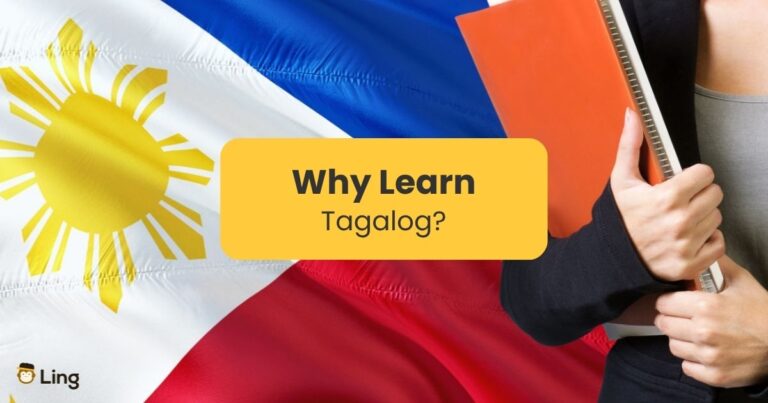
The Philippine flag is the centerpiece of the Independence Day celebrations. Every shape, element, and color in the flag holds a special meaning to this symbolic day.
- The blue field at the top represents peace, truth, and justice, showing the Filipinos’ calm determination to fight for their rights and live harmoniously.
- The red field at the bottom stands for the courage, valor, and patriotism of all the Filipinos who fought for independence. During war, this part is flown on top, signifying the country’s readiness to defend its freedom.
- The white triangle stands for purity, with the equilateral triangle reflecting the core principles of the Katipunan during the Philippine Revolution: liberty, equality, and fraternity.
- The golden yellow sun symbolizes the birth of a new nation, the Philippines. The eight rays of the sun symbolize the first eight provinces that revolted against the Spaniards: Manila, Cavite, Bulacan, Pampanga, Batangas, Nueva Ecija, Tarlac, and Laguna.
- The three yellow stars surrounding the sun represent the national unity of the country’s three major island groups: Luzon, Visayas, and Mindanao.
National Heroes
The Philippines Independence Day is also a time to honor the people who started the fight for freedom. Though there is a long list of historical figures that contributed to the cause, nine of them have been officially recognized as the Philippine National Heroes.
José Rizal
A writer, nationalist, and reformist who inspired the resistance with his novels, Noli Me Tangere and El Filibusterismo, by exposing the abuses of the Spaniards. His execution in 1896 sparked the Philippine Revolution.
Andres Bonifacio
Known as the “Father of the Philippine Revolution,” he founded the secret society Katipunan to free the country through armed revolt. He led several uprisings, making him the symbol of bravery and resistance.
Emilio Aguinaldo
Aguinaldo was a young general who later became the first president of the Philippines and declared its independence on June 12, 1898, in Kawit, Cavite. He led the Filipino forces during the Philippine Revolution and the Philippine-American War.
Apolinario Mabini
Popularly known as the “Brains of the Revolution,” Mabini, who had lost the use of his legs, was a political philosopher and adviser to Emilio Aguinaldo. He advocated for democratic governance and helped draft the first constitution of the Philippines.
Marcelo H. Del Pilar
Del Pilar was a journalist and lawyer who spoke out against the clerical abuses as the editor of the newspaper La Solidaridad. This became instrumental in the Propaganda Movement against Spain.
Sultan Kudarat
Sultan Kudarat was a 17th-century Moro leader who resisted Spain’s invasion in Mindanao. He is remembered for his fierce leadership, uniting the different Muslim tribes in defending their autonomy.
Juan Luna
A painter and nationalist who expressed his political sentiments through art. His masterpiece, Spoliarium, became a powerful symbol of the nation’s oppression by the Spaniards, inspiring the reform movement.
Melchora Aquino
More popularly known as Tandang Sora, she provided food, shelter, and medical help to the Katipuneros despite her old age. Spanish authorities later exiled her to Guam.
Gabriela Silang
Gabriela Silang is the icon of female empowerment and defiance. She continued her late husband’s (Diego Silang) revolt against Spain after he was assassinated by leading an armed resistance in Ilocos.
How Filipinos Celebrate The Philippines Independence Day
The Philippines Independence Day is celebrated nationwide with a mix of both formal and festive activities.
- Schools, government offices, and business establishments close on June 12.
- Flag-raising ceremonies are held in government offices, communities, and schools while singing the national anthem.
- The president delivers a speech honoring the Philippine heroes.
- Major cities host grand parades that feature local officials, cultural performers, students, and even military personnel.
- Some towns hold historical reenactments in honor of the events of June 12 and the Filipino revolutionaries. Others hold cultural shows and concerts.
- Filipinos wear traditional attire as a nod to their heritage: Barong Tagalog for men and Baro’t Saya for women. If not, they wear clothes and decorate with these four colors: red (bravery), white (peace and purity of intentions), blue (unity, loyalty, peaceful future), and yellow (light of freedom).
- Filipino families hold gatherings while enjoying traditional dishes like lechon, lumpia, pancit, and kakanin (native delicacies).
- Families visit historical sites or places of enjoyment, like parks. Luneta Park is the most commonly visited park as it is where Dr. Jose Rizal was executed in 1896.
List Of Philippines Independence Day Vocabulary
| English | Tagalog | Pronunciation | Sound |
|---|---|---|---|
| Independence Day | Araw ng Kalayaan | a-raw nang ka-la-ya-an | |
| National Anthem | Pambansang Awit | pam-ban-sang a-wit | |
| freedom | kalayaan | ka-la-ya-an | |
| flag | watawat | wa-ta-wat | |
| hero | bayani | ba-ya-ni | |
| celebration | pagdiriwang | pag-di-ri-wang | |
| parade | parada | pa-ra-da | |
| history | kasaysayan | ka-say-sa-yan | |
| president | pangulo | pa-ngu-lo | |
| speech | talumpati | ta-lum-pa-ti | |
| revolution | rebolusyon | re-bo-lus-yon | |
| patriotism | pagkamakabayan | pag-ka-ma-ka-ba-yan | |
| unity | pagkakaisa | pag-ka-ka-i-sa | |
| tradition | tradisyon | tra-dis-yon | |
| sovereignty | kasarinlan | ka-sa-rin-lan |
How Do You Say ‘Independence Day’ In Tagalog
Independence Day translates to Araw ng Kalayaan in Tagalog. Araw means “day,” and kalayaan means “freedom” or “independence.” Ng (pronounced as nang) links araw to kalayaan.

Learn Tagalog By Culture Immersion
All the Tagalog words about the government that you’ve been learning become more meaningful when you connect them with real-life experiences—holidays included. And celebrating the Philippines Independence Day with your Filipino friends is a great way of immersing yourself in both their culture and language.
No poring over books. Here are a few ways of having fun while learning about June 12 and basic Tagalog grammar, too:
- Watch videos of Filipino creators posting about national holidays like the Philippine Independence Day celebrations. This will introduce you to what Filipinos do on this day while learning the language and history in context.
- Listen to the speeches of both the current and past presidents to increase your Tagalog listening skills. Make a list of the words you caught, and if you can, write their meaning.
- Sing Filipino patriotic songs. There are a ton of them on your favorite streaming app. But you can start with Lupang Hinirang or Bayan Ko to improve both your vocabulary and pronunciation.
- Write a short Tagalog paragraph about what freedom means to you. Then read it with your closest Filipino friends as added practice for pronunciation.
Frequently Asked Questions About Philippines Independence Day
Who Colonized The Philippines?
Before gaining their independence, the Philippines was colonized by three foreign powers. The first was Spain for 333 years (1565-1898), then the United States of America for 48 years (1898-1946). Lastly, the Japanese occupied the country for three years (1942-1945) during World War II.
Why Does The Philippines Have Two Independence Days?
The Philippines had two recognized independence dates: June 12, 1898, when Emilio Aguinaldo declared the country’s independence from Spain, and July 4, 1946, the day when the United States of America formally recognized Philippine sovereignty. However, Diosdado Macapagal changed the official date to June 12 to honor the country’s first claim of freedom from foreign rule.
What Is The Difference Between Independence Day And National Heroes Day?
Independence Day (June 12) is to celebrate the Philippines’ freedom from colonial rule. National Heroes Day (every last Monday of August), on the other hand, is celebrated to honor all known and unknown Filipino heroes who fought for the country’s dignity and freedom.
Wrapping Up
The Philippines Independence Day is more than a historical event. It is a cultural celebration that brings all Filipinos together in unity, pride, and remembrance. This is the perfect window for language learners to learn about the country’s soul, the Philippines’ history, and meaningful Tagalog sentences.
Learn Tagalog With Ling!
Want to be part of the vibrant and unique Filipino culture and learn their colorful language? Ling is going to help you with that!
With the Ling app, you can learn the Tagalog language through gamified lessons that focus on all linguistic skills: reading, writing, listening, and speaking. You’ll even find a Culture Notes feature that will let you discover more about Filipino culture, and a Dialogue section where you can practice conversations.
So, make learning Tagalog a habit with the Ling app now!