Another step on your language learning journey is understanding all the moods and emotions in Spanish.
Imagine you are in a Spanish restaurant, and after a long wait, you get the wrong dish. What emotions would you feel at that moment? What would your mood be like? Perhaps you would have the urge to say a swear word? I’m sure you already have the answer in your mind, but in your native language, right? What if you could convey every single emotion and talk about moods fluently in Spanish?
Get yourself comfortable as today you will have a quick yet effective and interesting guide on all the vocabulary you must know about this particular topic.
I want to learn even more languages with Ling!
Download now!
You will also get sentence examples and a quick exercise to fill in on a piece of paper.
In addition, remember to listen carefully to the pronunciations, which are Latin American Spanish accents, and try your best to pronounce them the same way!
Moods In Spanish
What Are The Moods?
A mood is an affective state of a person that is less specific and intense than feelings. They are all the emotions that we feel and remain with us for a long time, which, in turn, predispose our actions and overall state.
How To Say The Word ‘Mood’ In Spanish?
Mood: Estado de ánimo/Estado anímico
The word ‘animo’ refers to a person’s attitude and disposition. And the literal translation of the term ‘estado’ is ‘state’ or ‘condition.’ Therefore, the meaning of ‘estado de ánimo’ could be understood as the condition of the person’s current attitude.
Feelings And Emotions In Spanish
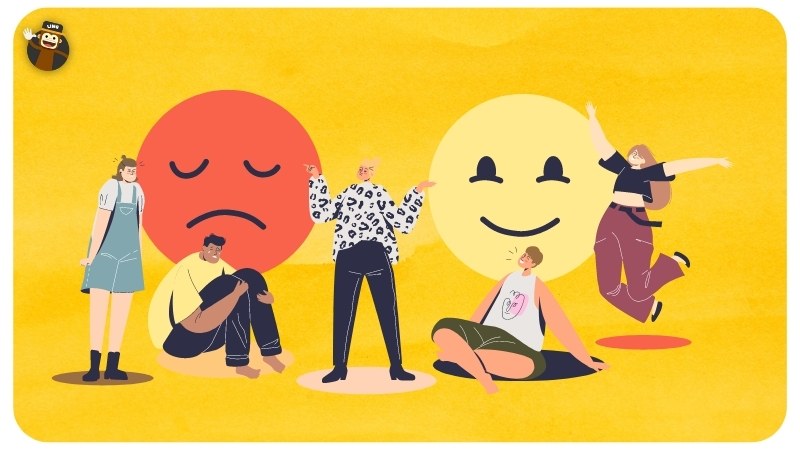
What Are The Emotions And Feelings?
Emotions are the core of our actions. Whenever we are in a good mood (buen estado de ánimo), we are thrilled by the positive emotions we have been feeling. If we feel negative emotions, the opposite might happen to our moods.
Our emotions and feelings define our state of mind or disposition towards life or something or someone.
8 Primary Spanish Emotions
Before diving into this massive list of emotions and feelings, remember that in Spanish, we have a distinction between female and male, so you will have to use the appropriate word for each gender.
To learn how to express emotions and talk about them, you should consider the verbs we usually use. You can use the verb ‘Estar’ (to be) to express that you are in a current state, and the verb tener, to explain that you have a certain feeling.
Example: ‘Estoy cansada’ (I am tired.)
I will share more examples after learning the following vocabulary.
| Emotions | Spanish | Pronunciation |
| Anger | Enfado | |
| Acceptance | Aceptación | |
| Anticipation | Anticipación | |
| Sadness | Tristeza | |
| Fear | Miedo | |
| Surprise | Sorpresa | |
| Disgust | Asco |
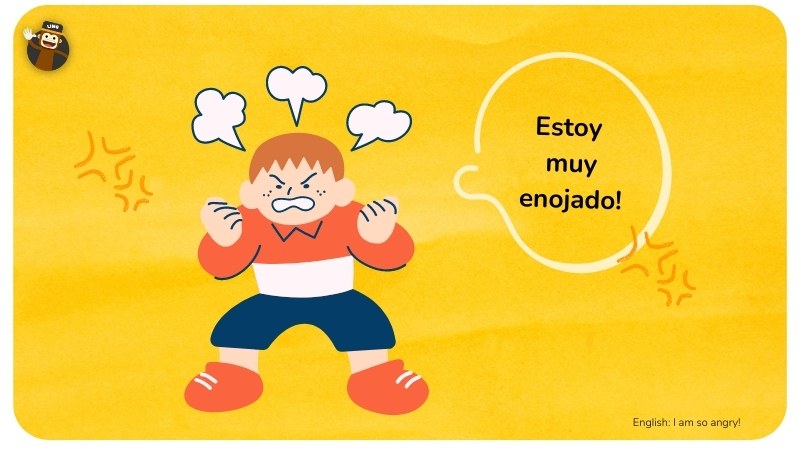
Angry
| Feelings | Spanish | Pronunciation |
| Agitated | Agitado | |
| Angry | Enfadado | |
| Bitter | Amargo | |
| Contempt | Desprecio | |
| Cynical | Cínico | |
| Disdain | Desdén | |
| Disgruntled | Descontento | |
| Exasperated | Exasperado | |
| Frustrated | Frustrado | |
| Furious | Furioso | |
| Grouchy | Malhumorado | |
| Hostile | Hostil | |
| Impatient | Impaciente | |
| Irritated | Irritado | |
| Irate | Airado | |
| Moody | Malhumorado | |
| Nervous | Nervioso | |
| Pissed | Molesto | |
| Upset | Decepcionado | |
| Vindictive | Vengativo |
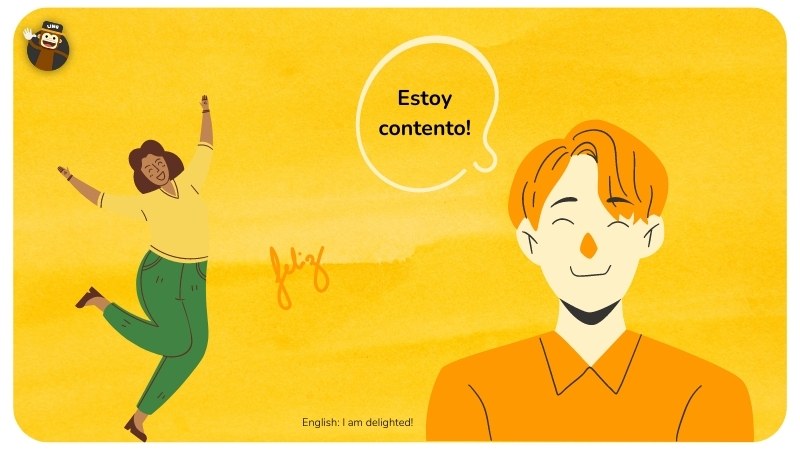
Joy (Happiness)
| Feelings | Spanish | Pronunciation |
| Awe | Temor | |
| Bliss | Dicha | |
| Delighted | Contento | |
| Eager | Ansioso | |
| Ecstatic | Extático | |
| Engaged | Comprometido | |
| Enthusiastic | Entusiasta/Entusiasmado/Entusiasmada | |
| Excited | Emocionada/Emocionado | |
| Free | Libre | |
| Happy | Feliz/Contento/Contenta | / |
| Inspired | Inspirado | |
| Lively | Dinámico/Dinámica | |
| Passionate | Apasionado | |
| Playful | Juguetón | |
| Refreshed | Renovado | |
| Satisfied | Satisfecho/Satisfecha | |
| Spirited | Enérgica/Enérgico |
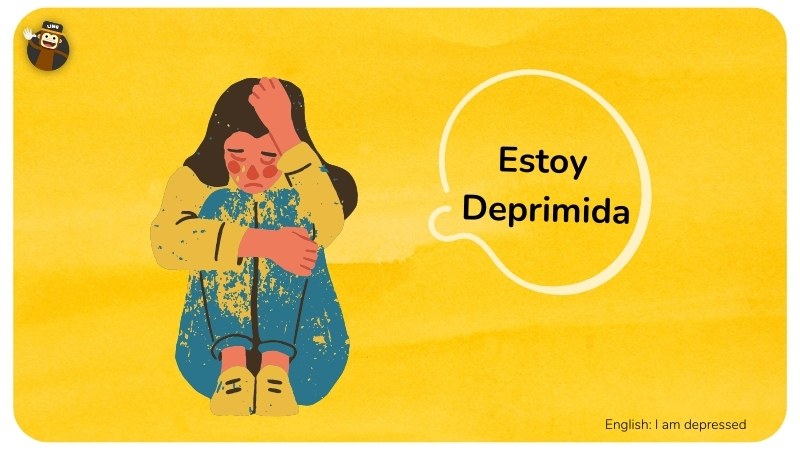
Sad/Despair
| Feelings | Spanish | Pronunciation |
| Anguish /Grief | Angustia/Dolor | |
| Depressed | Deprimido | |
| Despondent | Abatido | |
| Disappointed | Decepcionado | |
| Discouraged | Desanimado | |
| Forlorn | Abandonado | |
| Gloomy | Sombrío | |
| Heartbroken | Desconsolado | |
| Hopeless | Desesperanzado | |
| Lonely | Solitaria | |
| Longing | Nostalgia | |
| Melancholy | Melancolía | |
| Sorrow | Tristeza | |
| Teary | lloroso | |
| Tired / Weary | Cansado/Cansado | |
| Yearning | Anhelo |
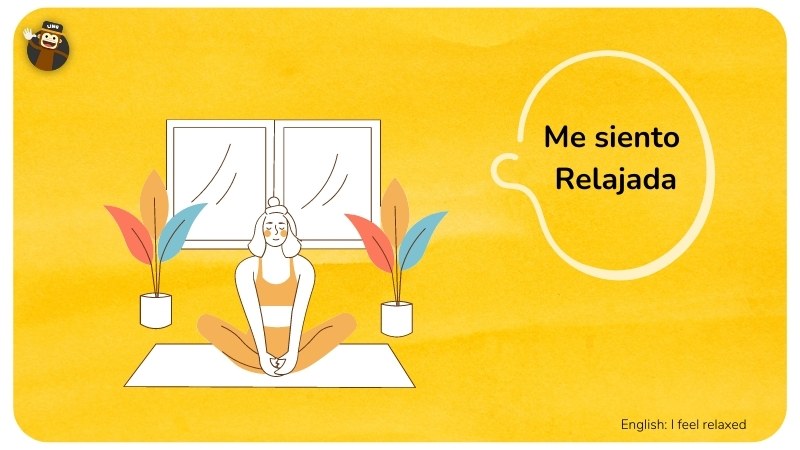
Open (Positive Emotions)
| Feelings | Spanish | Pronunciation |
| Calm | Calma | |
| Content | Contenido | |
| Patient | Paciente | |
| Peaceful | Pacífico | |
| Relaxed | Relajado | |
| Serene | Sereno | |
| Trusting | Confiando |
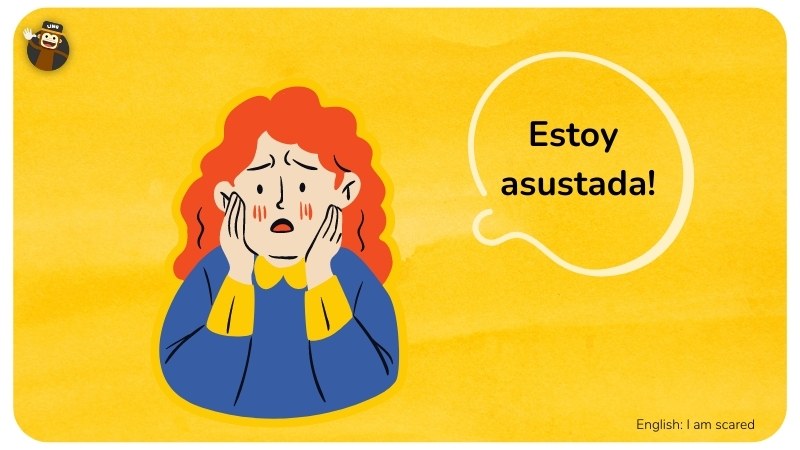
Shameful/Fearful (Uncomfortable)
| Feelings | Spanish | Pronunciation |
| Afraid | Atemorizado | |
| Anxious | Ansioso | |
| Apprehensive | Aprensivo | |
| Ashamed | Avergonzado | |
| Frightened | Atemorizado | |
| Hesitant | Vacilante | |
| Humiliated | Humillado | |
| Nervous | Nervioso | |
| Panic | Pánico | |
| Scared | Asustado | |
| Self-conscious | Consciente de sí mismo | |
| Useless | Inútil | |
| Weak | Débil | |
| Worried | Preocupado |
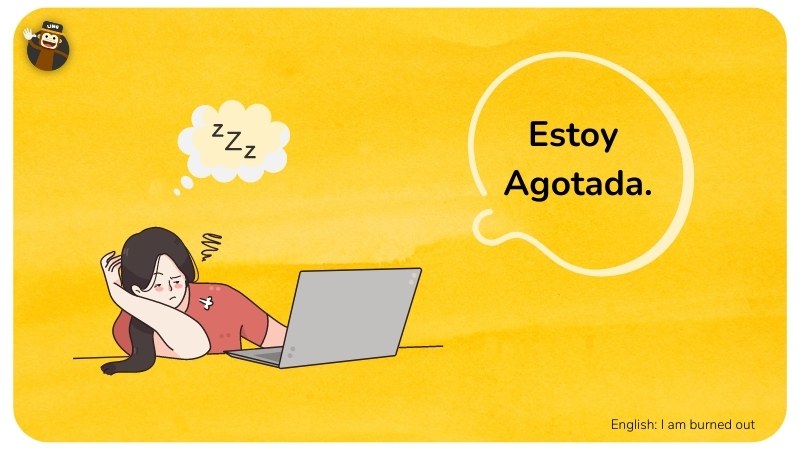
Tense (Guilt)
| Feelings | Spanish | Pronunciation |
| Begging | Mendicidad | |
| Burned out | Agotado | |
| Cranky | De maniático | |
| Depleted | Agotado | |
| Edgy | Tenso | |
| Exhausted | Exhausto | |
| Overwhelmed | Abrumar | |
| Rattled | Sacudido | |
| Rejecting | Rechazando | |
| Restless | Inquieto | |
| Tight | Apretado | |
| Weary | Cansado | |
| Worn out | Desgastado | |
| Regretful | Arrepentido | |
| Remorseful | Arrepentido | |
| Sorry | Apenado |
Tender
| Feelings | Spanish | Pronunciation |
| Calm | Calmado/Calmada | |
| Caring | Atento/Cariñoso | |
| Loving | Cariñoso | |
| Reflective | Reflexivo | |
| Serene | Sereno | |
| Vulnerable | Vulnerable | |
| Warm | Cálido | |
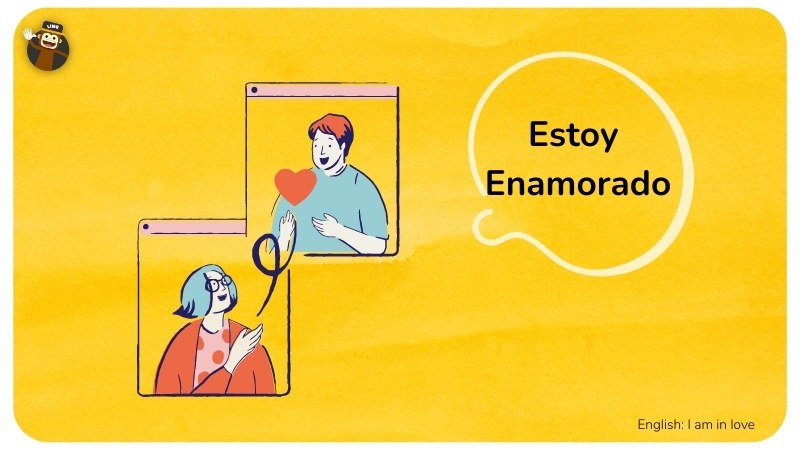
| In love | Enamorado |
Example Phrases To Practice Spanish Feelings!
The following sentences are the most common uses of Spanish questions to ask someone about how they are feeling.
- Cómo te sientes?
- Cómo estás?
- Por qué estás triste?
Expressing feelings is quite simple. With the use of the previous vocabulary and main verbs, you will be able to form your sentences in no time.
How to talk about your own feelings:
- Tengo miedo de caminar aquí. (I am scared of walking here.)
- Tengo sueño. (I’m sleepy.)
- Me siento triste. (I feel sad.)
- Me siento mal. (I feel bad.)
- Me siento feliz. (I feel happy.)
- Me siento relajado. (I feel relaxed.)
- Estoy muy enojado. (I am so angry.)
- Me divertí mucho en la fiesta. (I had a lot of fun at the party.)
- Me gusta vivir aquí. (I like living here.)
- Estoy celoso de ti. (I am jealous of you.)
- Me aburro demasiado en classes. (I get too bored during classes.)
- Me siento nerviosa por la entrevista de trabajo. (I feel nervous about the job interview.)
- Odio las mentiras. (I hate lies.)
- Esta frase es muy confusa. (This phrase is so confusing.)
- Si no llamas, me preocuparé por ti. (If you don’t call, I will worry about you.)
- Cuidar a los niños me tiene estresada. (Taking care of the kids got me stressed out.)
Wrapping Up!
Learning about emotions is necessary, as we often need to express feelings. You may encounter situations where you would have to talk about feelings, whether it is negative or positive emotions.
For example, imagine you see an older woman trying to cross the street, but she can’t do it herself. You go to her and help her cross. Your actions were so touching to her that to show gratitude she offers you some fruits she just bought at the market.
Now, even if you decline, she will put the fruits in your hand. The wholesome situation will make you both feel overly happy, and that sensation will stay with you long.
As you have enough vocabulary to talk about moods and emotions in Spanish, you can speak with a native speaker and explain how you felt and how happy the woman was to be helped.
You can even combine what you learned today with endearing phrases to express love in Spanish if you are dating a Spanish or Latin American person.
Learn With Ling
To expand and improve your vocabulary in Spanish, we highly recommend you check out the Ling App.
The Ling App is a cost-effective language learning app that guarantees to help you increase your Spanish skills from beginner to advanced with engaging and super fun lessons. If you are looking for an app that can teach you the words and phrases you will use in your daily life in Spanish-speaking countries, this is it.

It is an excellent app for travelers and language enthusiasts who need an easy yet effective resource to use anytime and anywhere.
Your goal of sounding like a local is just a click away. Start learning Spanish with Ling Now!
Download the app from App Store and Play Store.