


Have you ever wished to speak Malay fluently to connect more deeply with your grandparents or honor your family’s roots?
Language isn’t just a tool for communication; it’s a bridge to understanding your heritage and fostering meaningful connections.
Whether you’re looking to uncover family stories or embrace your cultural identity, this guide brings together 10 practical tips on how to speak Malay more fluently to help you unlock a richer, more personal connection with your heritage.
Learning Malaysian is more than memorizing words
Explore more →
This guide isn’t about textbook Malay but practical, conversational tips designed to help you speak Malay confidently and authentically.
From mastering informal speech to tapping into cultural expressions, these strategies focus on making your journey personal and effective.
Let’s explore how embracing Malay can become your gateway to family and tradition while achieving fluency faster than you think!
Table Of Contents
How To Speak Malay Quickly: Top 8 Most Important Tips

1) Listen & Digest!
If your goal is to connect with your heritage, start by immersing yourself in the natural rhythm of Malay speech.
Listening to how native speakers interact provides insights into pronunciation, tone, and cultural nuances.
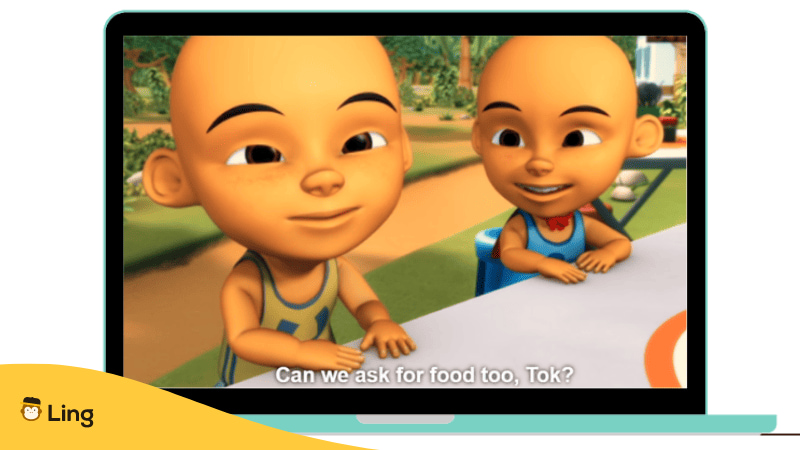
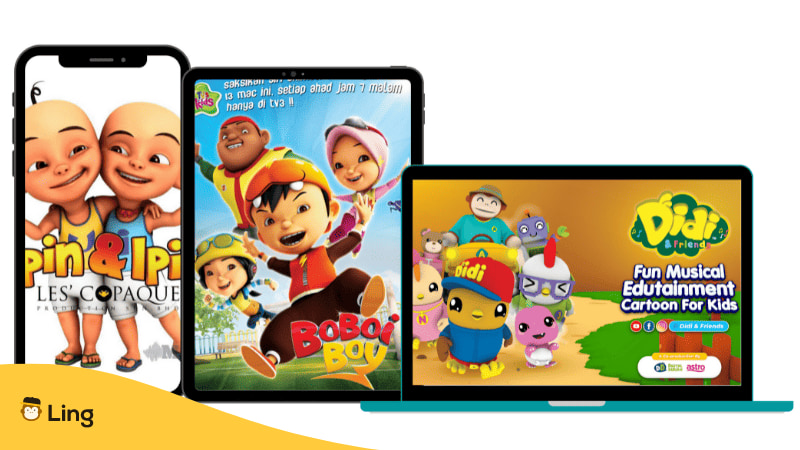
Watch Malay TV shows like Upin Ipin or TV3 dramas, or tune in to traditional songs your grandparents may have loved. Listen to greetings in Malay like terima kasih (thank you) and selamat pagi (good morning) to hear how they’re pronounced in everyday contexts.
For a more personal touch, ask your family members to share stories in Malay—it’s an excellent way to learn how to speak Malay while reconnecting with your roots.
2) Imitate Locals & Speak The Language!
One of the best ways to honor your heritage is by speaking the language as authentically as possible.
Mimic the sounds, expressions, and intonations you hear from native speakers, whether on TV, in music, or directly from family conversations.
Try repeating phrases like saya nak makan nasi (I want to eat rice) or jom pergi pasar (let’s go to the market) to practice your Malay pronunciation.
Small daily efforts, like practicing just a few words, can add up over time and build confidence.
Your grandparents will be thrilled to hear you try, even if it’s not perfect—the effort and connection matter most.
3) Remember Common Malay Phrases By Heart
Knowing everyday phrases by heart is crucial for meaningful conversations with family.
Words like apa khabar? (how are you?) or jom makan! (let’s eat!) carry cultural warmth and are great icebreakers with relatives. Focus on conversational phrases that will help you interact naturally.
Repetition is key—write, say, and hear these phrases daily to make them second nature.
This consistency ensures you can confidently engage with loved ones without hesitation or fear of stumbling over words.
4) Learn Malay Slangs
Malay slang words reflect the heart of the Malay culture, making them a delightful way to connect with your family on a deeper level.
While standard Malay is essential, incorporating Bahasa Pasar (colloquial Malay) will help you sound more like a local and bridge generational gaps.
For example, instead of the formal Sudahkah kamu makan? (have you eaten?), try saying dah makan belum? to echo how your grandparents or local Malays might speak.
Learning and using these expressions shows respect for the culture and helps you feel closer to your roots.
| English | Malay (Do’s) (✓) | Malay (Don’ts) (X) |
|---|---|---|
| You look beautiful today | Awak nampak berseri hari ini | Anda kelihatan cantik hari ini |
| Wow, your house is so clean | Wah, bersihnya rumah awak | Wah, rumah anda sangat bersih |
| That shirt looks good on you | Baju tu sesuai dengan awak | Baju itu kelihatan baik untuk anda |
When making compliments in Malay, it’s important to use the correct level of formality. For example, “Awak nampak berseri hari ini (You look beautiful today)” is more casual, while “Anda kelihatan cantik hari ini (Your honor’s appearance is truly striking today)” is more formal. Avoid using overly formal phrases in casual settings and use context-appropriate language to sound natural. Focus on being genuine and respectful, and adjust your tone and phrasing based on the relationship and setting.
5) Look Up New Words & Try Them Out With Family
Discovering and practicing new Malay words is an enriching way to bond with your loved ones. Choose words or phrases related to family, food, or traditions that resonate with your heritage.
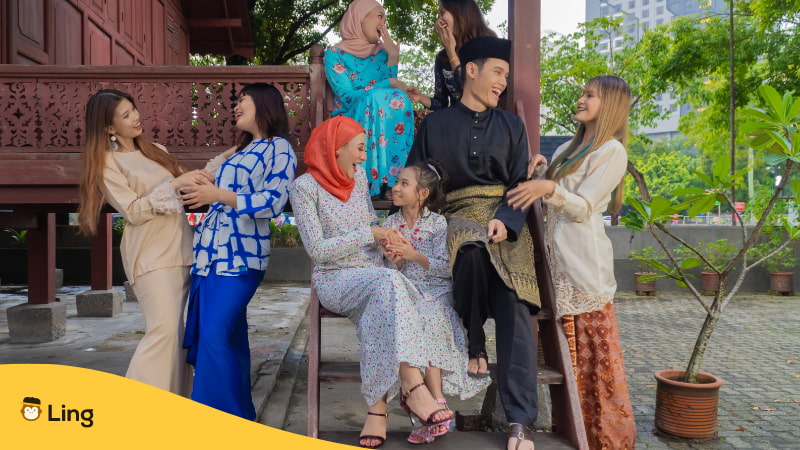
For instance, learn the word nenek (grandmother) or baju kurung (traditional dress) and use them in context.
Ask your family for corrections or explanations, turning your learning journey into a shared experience.
This active engagement boosts your vocabulary and deepens your connection to your family’s history and traditions.
6) Sing Along To Malay Songs!
Music is a powerful way to learn Malay and embrace your cultural identity. Look for traditional Malay songs your grandparents might know, such as Rasa Sayang or modern hits they enjoy.
Singing along helps you practice pronunciation, understand common expressions, and feel the emotional connection these songs convey.
Don’t hesitate to ask your family about the songs they love—this simple act can spark wonderful conversations about shared memories and heritage.
7) Indulge In Malay Pop Culture
Exploring Malay pop culture is an enjoyable way to learn the language while honoring your roots.
Watch classic films, explore traditional dances, or read Malay folk tales your grandparents might have told you as a child.
Shows like Upin Ipin or Seniman Bujang Lapok can introduce you to everyday slang and cultural references.
Engaging with these forms of entertainment not only enriches your vocabulary but also gives you a deeper appreciation for the traditions and values your family cherishes.
8) Differentiate Between Formal and Informal Malay
Understanding the difference between Bahasa Pasar (Informal Malay) and Bahasa Baku (Formal Malay) is essential for heritage hunters who want to connect deeply with their family’s culture.
Especially among older generations who might not have had access to formal education, informal Malay—rooted in casual, market-style communication—is the norm.
These informal expressions, used with friends, family, and peers, carry warmth and familiarity.
Tips For Using Informal Malay Vs. Formal Malay: Bridging Generations
1) Use Informal Malay with Elders
Strengthen your bond with grandparents and other elders by adopting informal Malay. For example, instead of using formal pronouns like saya or anda, opt for aku (I) and kau (you).
This creates a sense of closeness and trust, which is important when building a deeper connection with your heritage.
For example, try saying, “Nenek nak makan apa? Aisha beli” (“What would Grandma like to eat? Aisha will buy.”) instead of using formal pronouns.
2) Balance Respect With Informality
While informal Malay fosters connection, ensure you balance it with respect, especially when speaking with elders.
Use terms like Atuk (Grandfather) and Nenek (Grandmother) instead of using direct pronouns. This shows cultural respect while keeping the conversation warm and friendly.
3) Opt For Safe, Formal Malay When Unsure
If you’re uncertain about how informal you can go, stick with saya (I) for politeness without feeling overly formal.
Saya is widely accepted in most situations, ensuring respect is maintained without distancing yourself from your loved ones. If you’re unsure how to address someone, family terms like uncle (pakcik), auntie (makcik), grandfather (atuk), or grandmother (nenek) are always safe.
For instance, you might say, Nenek nak makan apa? Aisha beli (“What would Grandma like to eat? Aisha will buy.”) rather than using kau, anda, aku, or says.
4) Distinguish Informal Vs. Formal Malay With Practical Examples
Learn the key differences between Bahasa Pasar (informal) and Bahasa Baku (formal) by referring to helpful resources.
The Ling app offers interactive lessons and pronunciation guides to practice both forms of Malay, making it easy to incorporate these variations into daily conversations with family and others in your community.
| English | Bahasa Pasar (Informal Malay) | Bahasa Baku (Formal Malay) |
|---|---|---|
| Hi, how are you? | Hai, apa khabar? | Apa khabar? |
| I’m doing fine, thanks! | Ok je, terima kasih. | Saya baik, terima kasih. |
| Where are you going? | Kau nak pergi mana? | Anda mahu pergi ke mana? |
| I’m going to work. | Aku nak pergi kerja. | Saya hendak pergi bekerja. |
| Do you want to eat with me? | Nak makan dengan aku tak? | Mahu makan bersama saya? |
| Let’s go have lunch. | Jom pergi makan tengah hari. | Mari kita makan tengah hari bersama. |
| What are you doing now? | Kau tengah buat apa sekarang? | Apa yang sedang anda lakukan sekarang? |
| I’m just relaxing. | Tengah rilek je. | Saya sedang berehat sahaja. |
| Can you help me with this? | Boleh tolong aku tak? | Bolehkah anda bantu saya dengan ini? |
| Thank you so much! | kasih banyak! | Terima kasih banyak. |
| Sorry, I’m busy right now. | Maaf, tengah sibuk sekarang. | Maaf, saya sibuk sekarang. |
| I’ll call you later. | Aku call kau nanti. | Saya akan hubungi anda kemudian. |
| I don’t understand. | Aku tak faham. | Saya tidak faham. |
| See you tomorrow! | Jumpa esok! | Jumpa anda esok. |
| I really like this place! | Aku suka gila tempat ni! | Saya sangat suka tempat ini. |
How Do You Say “Speak Malay” In Malay?
To reconnect with your family’s linguistic traditions, you can say cakap dalam Bahasa Melayu or simply cakap Melayu to your loved ones if you wish to speak the language with them, which translates to “speak Malay.” The word cakap means “to speak,” dalam means “in,” and Bahasa Melayu refers to the Malay language. In formal contexts, such as describing someone’s ability to use the language, you might say they berbahasa Melayu. These phrases reflect more than language—they’re a bridge to a rich cultural legacy. Learning these expressions allows for more meaningful communication with your loved ones, whether casual or formal.
Frequently Asked Questions About How To Speak Malay
Is Malay Easy To Learn?
Malay is often considered approachable for beginners, especially those looking to strengthen ties with their cultural roots.
Its grammar is straightforward, with no tenses or complex conjugations, and it uses the Latin alphabet, making it more familiar to English speakers.
Because it’s phonetic, words are pronounced as they’re spelled.
While the basics come quickly, mastering the nuances of Malay—such as idiomatic expressions or regional dialects—requires dedication.
Regular practice, especially with family members or native speakers, can deepen your connection to the language and your identity.
Can You Speak Malay In Thailand?
Malay is spoken in Thailand’s southern provinces, particularly in Yala, Pattani, and Narathiwat.
The variety of Malay there, known as Pattani Malay, has deep cultural significance and reflects the shared linguistic ties with Malaysia.
While Thai is the predominant language, Malay plays a vital role in everyday communication among local communities.
If your family roots trace back to this area, learning Pattani Malay can help you connect with its unique cultural and linguistic traditions while building stronger relationships with the local population.
Can I Learn Malay In 1 Month?
With dedication, you can learn how to speak Malay in one month to hold simple conversations and connect with family members.
You’ll make steady progress by focusing on essential phrases, practicing daily, and using learning tools like apps or online resources.
However, becoming fluent or gaining a deeper understanding of the cultural nuances takes time.
Immersing yourself in conversations with loved ones or listening to native speakers will help you learn faster while fostering a stronger connection to your linguistic roots.
Reconnect With Your Heritage Today With These Useful Tips!
Learning Malay is more than words—it’s a way to honor your family’s linguistic traditions and foster meaningful connections.
You’ll develop a deeper understanding of the language by following tips like Differentiate Between Informal and Formal Malay or Listen & Digest!
When you Imitate Locals and Speak the Language! or Remember Common Malay Phrases by Heart, you’ll feel more confident in conversations, bridging generational gaps with loved ones.
Let this journey be more than just language acquisition; let it be a celebration of your family’s cultural identity.
Embrace The Malay Language And Culture
Learning Malay isn’t just about mastering vocabulary—it’s about rekindling your ancestors’ stories, deepening your bond with loved ones, and preserving the cultural traditions that shaped your family.
You’re bridging generations and celebrating your roots with every word you learn.
This blog has outlined the eight best tips on how to speak Malay quickly.
These tips help you connect emotionally and linguistically with your heritage. But don’t stop here! To continue your Malay learning journey, check out the Ling app for interactive lessons, fun quizzes, and practical exercises.
Download it today and Learn Malaysian today to confidently embrace the beauty of your family’s cultural legacy!