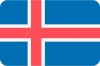
Ask what language do they speak in Iceland and the short answer is Icelandic, which Icelanders themselves call íslenska.
Almost everyone you meet will switch to English anyway, so the real question is how much Icelandic is worth packing. The Ling app teaches it in short daily lessons, and this guide covers who speaks what on the island and which words earn a smile.
I want to learn even more languages with Ling!
Download now!
What Language Do They Speak In Iceland Today?
Icelandic is the national language and the only language of parliament, the courts and the schools. It belongs to the North Germanic family, alongside Norwegian, Danish and Swedish, with Faroese as its closest living relative.
What makes it unusual is how little it has changed. An Icelander can still read the medieval sagas with some effort, which no English speaker can manage with Old English.
- Icelandic (íslenska): the national language, spoken by nearly everyone born in the country.
- Icelandic Sign Language (íslenskt táknmál): recognised in law in 2011 as the first language of the people who rely on it.
- English and Danish: both sit in the school curriculum, which is why visitors rarely get stuck.
There is also almost no regional variation. The accent in Reykjavik and the accent in a village in the east are close enough that Icelanders rarely place each other by sound.
Which Other Languages Are Spoken In Iceland?
Iceland has become far more multilingual in one generation. Immigrants were 19.6 percent of the population on 1 January 2026, and 21.7 percent counting the second generation, according to Statistics Iceland.
Polish is the largest community language by a wide margin. People born in Poland numbered 23,055 of the 77,226 immigrants, or 29.9 percent, ahead of Ukraine and Lithuania.
The school timetable explains the rest. English is a core subject from grade 4 and Danish or another Nordic language from grade 7, according to Eurydice, the European Commission education network.
Which Language Do You Hear Where In Iceland?
| Language | Where you hear it | Why it is there |
|---|---|---|
| Icelandic | Everywhere, from road signs to the evening news | The national language |
| English | Hotels, cafes, tours, university courses | Taught from grade 4 and used across tourism |
| Danish | Classrooms and conversations with the Nordic neighbours | Kept in the curriculum from grade 7 |
| Polish | Workplaces, shops and homes around the capital | The largest immigrant community |
| Icelandic Sign Language | Deaf community life, interpreting, public services | Recognised in law in 2011 |
In practice, Icelandic and English cover almost every exchange a visitor will have.
How Many People Speak Icelandic?
Icelandic is one of Europe’s smallest national languages. Iceland’s population was 394,324 on 1 January 2026, up 4,880 in a year, according to Statistics Iceland population figures.
Nearly all of them speak Icelandic, many having learned it as adults. It is a small pool of speakers, which is why Icelanders notice when a visitor tries.
Do You Need To Speak Icelandic To Visit Iceland?
No, you do not. English is the working language of hotels, tours, and restaurants, and the staff you meet will often speak it better than you expect.
What changes is the tone of the exchange. A greeting and a thank you in Icelandic mark you as a guest who made an effort.
A short list is enough to start. The Ling app’s bite-sized lessons build those first exchanges in sessions of about ten to fifteen minutes, and our round-up of apps that teach Icelandic sets the options side by side.
How Do You Say Hello In Icelandic?
The everyday hello in Icelandic is halló, pronounced roughly HA-loh. For something more formal, góðan daginn (GOH-than DAI-yin) means good day and works from morning until late afternoon. Younger speakers often just say hæ, and bless closes it on the way out.
Hearing them matters more than reading them. The Ling app plays native speaker audio you can slow down word by word, and our guide to ways to say hello in Icelandic runs through the casual and formal greetings with their goodbyes.
13 Icelandic Words And Phrases Worth Knowing
These are the ones that pay for themselves on a short trip.
| English | Icelandic | When to use it |
|---|---|---|
| Hello | halló | Any time, with anyone |
| Hi | hæ | Casual, with people your own age |
| Good day | góðan daginn | Formal, morning to late afternoon |
| Good evening | gott kvöld | After dark, in a restaurant or hotel |
| Thanks | takk | The most useful word on the list |
| Thank you | takk fyrir | A fuller thank you after real help |
| Yes | já | Agreeing, answering a question |
| No | nei | Declining politely |
| Goodbye | bless | Leaving, often doubled as bless bless |
| Excuse me, sorry | fyrirgefðu | Squeezing past, apologising, getting attention |
| I do not speak Icelandic | ég tala ekki íslensku | Opening a conversation honestly |
| Well then, anyway, right | jæja | The all-purpose filler Icelanders love |
| It will work out | þetta reddast | The national attitude in two words |
If you memorize only two, make them takk and halló.
Common Mistakes To Avoid With Icelandic
Most of the trouble comes from assumptions rather than grammar.
- Hunting for a word for please. Icelandic has no everyday equivalent, so politeness rides on tone and on takk, as our list of basic Icelandic phrases explains.
- Falling back on Danish. It sits in the curriculum, but English is the language people actually reach for with visitors.
- Skipping the letters. þ and ð both look like th and sound different, and guessing makes a word unrecognizable; the Icelandic alphabet guide covers all 32 letters.
- Shopping for a dialect. There is no regional variety to choose, so whatever you learn will be understood across the country.
Tips For Learning Icelandic Before Your Trip
Work in this order, and the first week does the most for you.
- Read the alphabet out loud once before you memorize any vocabulary, so the letters stop surprising you mid-word.
- Pick ten phrases and overlearn them. Greetings, thanks, numbers and one apology cover most short exchanges.
- Say them out loud every day. The Ling app’s Dialog lessons run both sides of a short conversation, so the words come out when you need them.
- Set your expectations honestly. Icelandic nouns carry three genders and four cases, and how hard Icelandic is to learn walks through what that means for a beginner.
Frequently Asked Questions About What Language Do They Speak In Iceland
What Is The Official Language Of Iceland?
Icelandic is the official language of Iceland, set out in law in 2011, and it is the language of parliament, the courts, and the national media. Icelandic Sign Language was given legal standing the same year as the first language of those who rely on it.
What Language Do They Speak In Iceland And Greenland?
They are two different languages. Iceland speaks Icelandic, a North Germanic language, while Greenland’s official language is Greenlandic, also called Kalaallisut, which belongs to the Inuit family. Danish is widely known in Greenland and still taught in Icelandic schools.
Do Icelanders Speak English?
Yes, and fluently in most cases. English is a core school subject from grade 4 and the working language of hotels, tours and restaurants, so a visitor who speaks only English manages comfortably.
Is Danish Still Spoken In Iceland?
Danish is taught rather than spoken day to day. It stays in the curriculum from grade 7 as a link to the rest of the Nordic region, a legacy of the centuries when Iceland was ruled from Copenhagen.
Does Icelandic Have Dialects?
Barely. The language is remarkably uniform across the country, with small differences in a few vowel sounds rather than separate regional varieties, so whatever you learn will be understood from Reykjavik to the eastern fjords.
How Hard Is Icelandic For English Speakers?
It takes patience. Nouns carry three genders and four cases, so endings shift with the job a word does in the sentence, and the two extra letters need practice. Greetings and everyday phrases come faster.
What Should You Remember About Iceland’s Languages?
Iceland speaks Icelandic, and it speaks it almost uniformly. One national language, no real dialects, and a written form close enough to Old Norse that the medieval sagas are still readable.
Around that core sit English, which carries most conversations with visitors, Danish from the school curriculum, and Polish from the largest immigrant community. Icelandic Sign Language has held legal standing since 2011.
Ready To Take Icelandic With You?
If Iceland is on your calendar, a handful of phrases will change how the trip feels. You do not need fluency to be met warmly, just a greeting, a thank you, and the nerve to use them.
The Ling app can give you a hand. In it, you’ll find:
- Bite-sized lessons you can finish on a bus ride
- Native speaker audio you can slow down word by word
- Dialog practice that runs both halves of a real conversation
- Flashcards and mini-games that keep new words sticking
- Daily goals and streaks to hold the habit together
When you are ready, start learning Icelandic with the Ling app and arrive with the words already in your mouth.