


You know how famous Turkish cuisine is, right? There are lots of tasty Turkish foods, from pastry to meat dishes. Although they are not as popular as kebabs, the Turkish-style cooked vegetable dishes also have a lot of fans. Some best examples are sarma (stuffed grape leaves) and mücver (fried zucchini)!
In this blog post, we’ll cover the vocabulary for fruits and vegetables in Turkish and learn which of them are naturally grown in Turkey.
If you want to learn more about mouth-watering Turkish foods, make sure to read my previous blog post!
I want to learn even more languages with Ling!
Download now!
Page Contents 📑
- How Do You Say Vegetables In Turkish?
- What Are The Main Vegetables Grown In Turkey?
- What Fruits Are Native To Turkey?
- Turkish Vocabulary For Vegetables
- Turkish Vocabulary For Fruits
- Start Learning Turkish With Ling!
How Do You Say Vegetables In Turkish?
Before we learn the vocabulary for different veggies, let’s find out how to say the word vegetable or vegetables in the Turkish language. Vegetable is “sebze” in Turkish. If you want to make it plural, vegetables, just add the plurality suffix, which is “-lar, -ler” in Turkish, and it’ll become “sebzeler.”
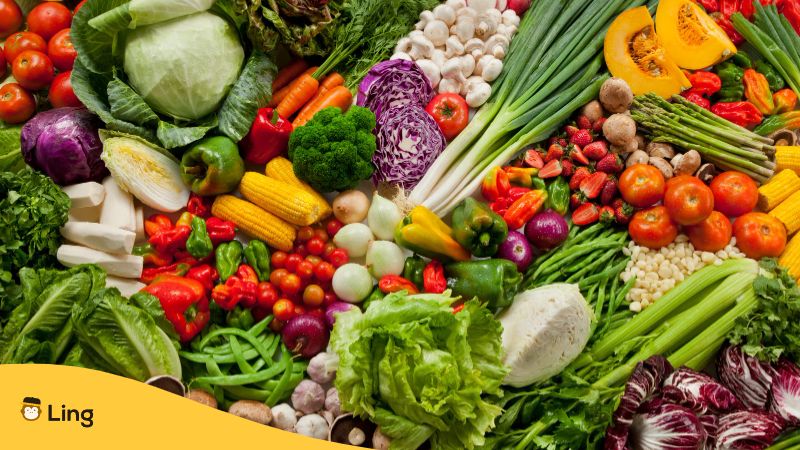
What Are The Main Vegetables Grown In Turkey?
Turkey has land suitable for agricultural production, including a variety of vegetables. Here are the main vegetables that are grown in Turkey:
Tomatoes: Turkey is one of the leading producers of tomatoes in the world. Turkey produces a wide variety of tomato types, such as cherry, cocktail, and beefsteak tomatoes.
Peppers: Both sweet and hot peppers are commonly grown in Turkey. The country produces different kinds of peppers, such as bell peppers, jalapeños, and chili peppers.
Eggplants: Eggplants are a staple vegetable in Turkish cuisine, and the country is a major producer of this vegetable. Turkey produces a variety of eggplants, including the long and slender “balloon” eggplants and the round and plump “black beauty” eggplants.
Cucumbers: Cucumbers are another popular vegetable grown in Turkey. The country produces both field cucumbers and greenhouse cucumbers.
Zucchini: Zucchini is one of the main vegetables in Turkish cuisine. Turkey produces a variety of zucchini, including green and yellow ones.
Onions: Onions are a staple vegetable in many cuisines, and Turkey is no exception. The country produces both white and red onions, which are used in various dishes and salads.
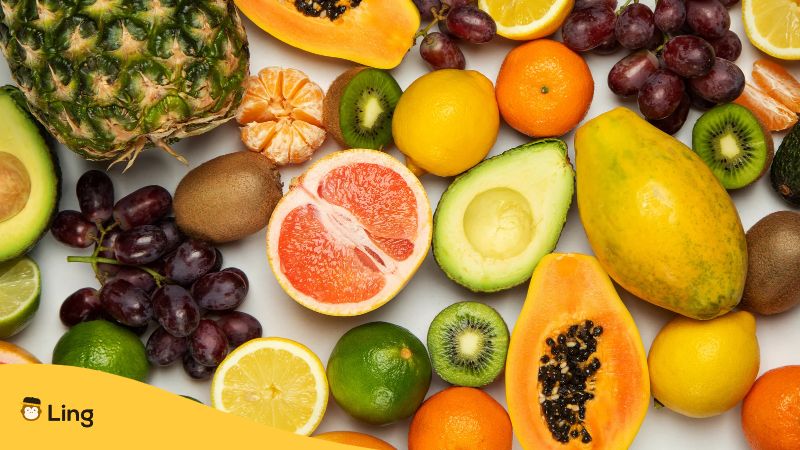
What Fruits Are Native To Turkey?
Since Turkey is located in the Mediterranean and Middle Eastern regions, it has a diverse range of fruits native to its land. Here are some of the most popular fruits native to Turkey:
Fig: Turkey is one of the world’s largest producers of figs, and the fruit has been grown in the region for thousands of years.
Pomegranate: Pomegranate is a popular fruit in Turkey and is used in many traditional dishes and desserts.
Quince: Quince is a fruit that is native to Turkey and has been grown in the region for thousands of years. It is commonly used in Turkish cuisine to make jams, jellies, and desserts.
Medlar: Medlar is a fruit that is native to the Mediterranean region and is commonly found in Turkey. It is often eaten fresh or used in jams and jellies.
Mulberry: Mulberry trees are native to Turkey, and the mulberry fruit is usually used in jams and desserts.
Olive: Olives are technically a fruit, but they are used in many vegetable dishes. Also, olive oil is an essential ingredient for most vegetable dishes in Turkish cuisine.
Turkish Vocabulary For Vegetables
After reading about the vegetables commonly grown in Turkey, it’s time to learn some vocabulary for them. So, here’s a vocabulary list with the Turkish names for some vegetables, with audio pronunciations.
| English | Turkish | Sound |
|---|---|---|
| Celery | Kereviz | |
| Eggplant | Patlıcan | |
| Zucchini | Kabak | |
| Onion | Soğan | |
| Spinach | Ispanak | |
| Green beans | Taze fasulye | |
| Cucumber | Salatalık | |
| Radish | Turp | |
| Turnip | Şalgam | |
| Cabbage | Lahana | |
| Mushroom | Mantar | |
| Lettuce | Marul | |
| Corn | Mısır | |
| Pepper | Biber | |
| Tomato | Domates | |
| Potato | Patates | |
| Sweet potato | Tatlı patates | |
| Cauliflower | Karnabahar | |
| Asparagus | Kuşkonmaz | |
| Carrot | Havuç | |
| Broccoli | Brokoli | |
| Garlic | Sarımsak |
You’ll definitely need some Turkish market words as well whenever you want to ask how much a vegetable costs.
Turkish Vocabulary For Fruits
Now that you know some vegetables, here’s a list with fruits in Turkish, also with audio pronunciations:
| English | Turkish | Sound |
|---|---|---|
| Banana | Muz | |
| Apple | Elma | |
| Orange | Portakal | |
| Grape | Üzüm | |
| Cherry | Kiraz | |
| Tangerine | Mandalina | |
| Sour cherry | Vişne | |
| Pear | Armut | |
| Avocado | Avokado | |
| Pineapple | Ananas | |
| Strawberry | Çilek | |
| Grapefruit | Greyfurt | |
| Fig | İncir | |
| Watermelon | Karpuz | |
| Melon | Kavun | |
| Apricot | Kayısı | |
| Kiwi | Kivi | |
| Mulberry | Dut | |
| Raspberry | Ahududu | |
| Blackberry | Böğürtlen | |
| Plum | Erik |
Now you’ve learned one of the main topics of beginner Turkish, congratulations! If you’re just starting to learn Turkish, you may be interested in reading these articles about the Turkish alphabet and how to introduce yourself in Turkish.
If you’re looking for a practical language-learning app to go from zero Turkish to having daily conversations in it, start using Ling now! More information is right below!
Start Learning Turkish With Ling!
If you’re thinking about learning Turkish, waste no more time and download Ling to get started right now!

Ling is a language-learning app that offers courses in more than 60 languages for self-learners. On it, you can form sentences word by word and listen to audio recordings by native speakers. It also has reviews, quizzes, and AI chatbots to improve your speaking skills.
These features make Ling an all-in-one language-learning app that stands out among other apps. You won’t regret it if you try Ling for FREE by downloading it from the App Store or Play Store.
And don’t forget to check out Ling’s Turkish blog for weekly new articles on the Turkish language and culture!
Until next time! Görüşürüz!