

Ever hear that special someone say something in Tagalog that makes them all smiley and flustered? That’s kilig! Kilig in Tagalog is a word for that super sweet, fluttery feeling in your chest. But there’s no good English translation for it – it’s way more than just a crush!
Think of kilig as a little window into Filipino hearts – how we show affection, what makes us giggle, all that good stuff. So, if you’re ready to impress your Filipino crush, family, or friends, I’ll teach you all about kilig.
This way, you can unlock those warm, fuzzy feelings and learn Tagalog the fun way!
Learning Tagalog is more than memorizing words
Explore more →
What Is Kilig In Tagalog?
Kilig is the giddy, butterflies-in-your-stomach feeling you get from a sweet or romantic moment. And no single English word can perfectly capture kilig in Tagalog. It’s way more than just a simple “crush” or “like.”
Imagine this: you’re scrolling through your phone, not expecting anything special, and suddenly, your crush’s name pops up in a notification. Your heart leaps a little; you get this warm and fuzzy feeling of inexplicable joy. Yep! That’s exactly what kilig is!
It’s the thrill of something unexpected, that sudden feeling when someone gives you those butterfly-in-your-stomach vibes.
The Word Kilig Is A Verb, A Noun, Everything!
The beauty of kilig is that it’s super versatile. You can use it to describe an exciting or romantic experience, your own feelings, or even tease your friends about a cute moment. Here’s how it works:
- Kinikilig ako! (I’m feeling kilig!) – When your heart’s all aflutter, that’s it!
- Nakakakilig! (It gives me kilig!) – Describes something super sweet or romantic.
- Or even just Kilig! – Perfect for reacting to an extra heartwarming scene in a movie.
And since we just talked about some Filipino phrases, why not learn more with the Ling app? It’s a language app that helps you learn 70+ languages in a fun and easy way. You can get it from Google Play and the App Store for free!
It’s That Giddy, Heart-Skips-A-Beat Feeling
I can still remember back during those ligaw days with my wife. Even though we both spoke Tagalog, kilig went way beyond just words! That rush of trying to impress her, figuring out how to make her laugh, those nervous but super sweet moments? Total kilig overload! Here’s what those classic kilig moments felt like for me:
- Finding a handwritten note she slipped into my bag before a long day.
- Hearing her sing along to a cheesy love song and realizing it was subtly about me.
- The look on her face when I finally got the words right to a Tagalog song I memorized just for her.
If you get that excited, giddy feeling in your chest, chances are, you’re experiencing a major kilig!
Why Do Filipinos Love Kilig?
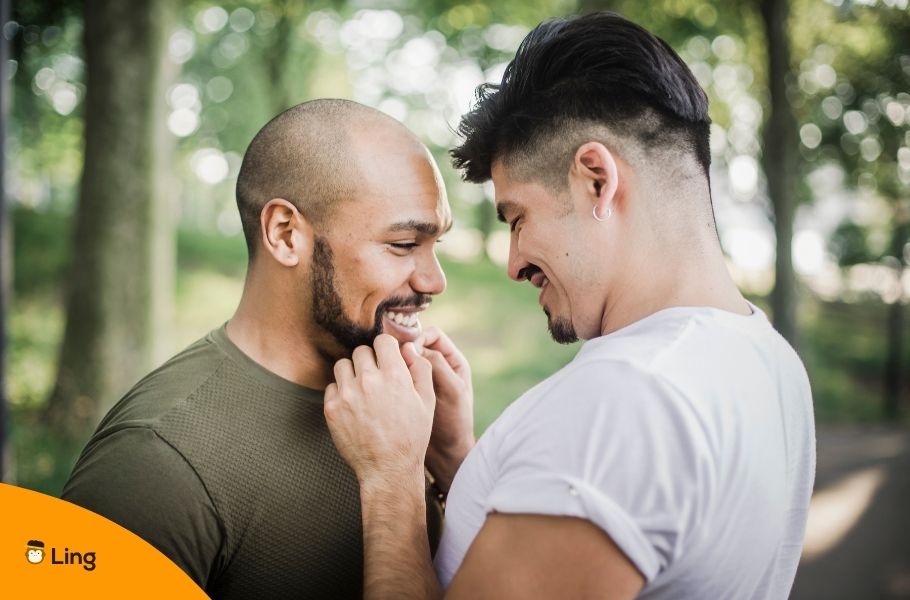
Filipinos love kilig because romance is deeply woven into the culture, from traditional courtship and teleseryes to love songs, making that fluttery feeling a treasured part of everyday life.
I get that every culture enjoys that heartwarming, fuzzy feeling in romance. But we take kilig to a whole other level! From the way we date to our favorite movies and songs, kilig is practically woven into our DNA.
Let’s break this down.
How Romantic Are Filipinos?
Filipinos are romantics who value the thoughtfulness behind a gesture more than the gesture itself, whether it’s a serenade or remembering a favorite snack.
Remember those sweet gestures I mentioned? Filipinos put a lot of value on making those feel super special. It’s not just about a gift. It’s the thoughtfulness behind it that gets us.
For example, back in the day, it wasn’t uncommon for someone to serenade (we call it harana) the person they liked right under their balcony. Talk about major kilig vibes!
Even now, it’s all about those grand gestures and simple displays of affection. From handwritten notes to remembering someone’s favorite snack, those small things create a world of kilig.
What’s The Difference Between Kilig And Western Romance?
Compared to the fast pace of Western romance, Filipino courtship (ligaw) is more of a slow burn, savoring each hint of kilig as feelings gradually deepen.
See, in Filipino culture, there’s this period of courtship called ligaw in Tagalog. It’s not just about dating – it’s about slowly building a connection, getting to know each other, and creating those butterflies along the way.
Western romance can sometimes feel quick, all about grand declarations right away. Filipino romance is more of a slow burn, savoring each hint of kilig until the feelings deepen.
And a fun fact: Kilig was actually added to the Oxford English Dictionary in 2016.
How Does Kilig Show Up In Pop Culture?
Open up Netflix, check out Filipino channels, and you’re hit with kilig left and right! Every teleserye (our long-running soap operas) and every romantic movie are filled with those stolen glances, big misunderstood moments, and reunions that give you goosebumps.
Can you recall any Filipino pop-culture moments that gave you serious kilig? It’s a great way to understand how this feeling plays out in Filipino media.
Watching these knowing even a little Tagalog makes them hit harder. And if you’re deciding how to learn the language, it’s worth seeing how Ling and Duolingo compare for Tagalog (spoiler alert: Duolingo doesn’t even offer Tagalog).

Tips To Use Kilig Like A Pro
You get the meaning of kilig in Tagalog now and why Filipinos (like me!) go crazy for it. But here’s the real fun: learning to use it to your advantage! Whether you want to impress your crush or navigate Filipino traditions, these tips will get you to speak the language of kilig fluently.
1. Turn Kilig Into Action With Pa-Kilig
While we talk about “feeling” kilig, here’s a Filipino secret: we can create moments of kilig through what we call pa-kilig. Basically, it means going out of your way to do something thoughtful and unexpected to make the other person smile.
A surprise gift without any occasion, remembering their favorite love song, or even just paying extra attention to their stories all create little bursts of kilig. Remember that thoughtfulness is more important than grand gestures!
2. Say “I’m Feeling Kilig!” – Kinikilig Ako!
Let’s say someone does something super cute, something that gives you butterflies. One way to let them know is to say Kinikilig ako! with a smile and maybe a playful nudge.
But don’t overdo it! Kilig should be genuine, and it loses its punch if you use it for everything. This little phrase makes them feel good and signals a bit of romantic interest back.
3. Master Kilig Moments
Now, it’s about recognizing kilig when it happens! Maybe you notice your Filipino friend blushing and grinning ear-to-ear after talking to a certain someone. A little giggle here and a playful tease there are all hints!
If you’re meeting their parents for the first time and they offer you seconds (or thirds) of a delicious meal, chances are they’re trying to create a warm kilig experience for you – that welcoming feeling speaks volumes about Filipino hospitality.
What Are Some Kilig Caveats? (Things To Be Mindful Of)
Be mindful that kilig isn’t always obvious or sweet: it can look like shyness or nervousness, it’s expressed subtly in Filipino culture, and it never overrides someone’s boundaries.
These are some things to remember for navigating Filipino culture respectfully. After all, a crush-turned-misunderstanding isn’t fun for anyone!
1. Kilig Isn’t Always Butterflies
Here’s where things get interesting: Kilig isn’t always sweet smiles and giggling. Sometimes, it can manifest as nervousness, shyness, or even slight annoyance that hides deeper feelings. Remember, just because your Filipino friend gets a bit awkward around someone doesn’t mean there isn’t kilig potential under the surface!
2. Cultural Cues Around Kilig
The Filipino people don’t always wear their emotions loudly. Kilig could be expressed through gentle teasing (kind of like playful banter), stolen glances, or even offering to help out with something. Being observant is vital! Pay attention to body language, tone of voice, and their willingness to open up with you – those little tells reveal so much more than outright flirting.
3. Kilig Is Not A Free Pass
This applies in any culture, but it’s important to emphasize. Feeling kilig, or noticing that someone gets flustered around you, is not an invitation to ignore boundaries. Being respectful, understanding personal space, and actually listening when someone says “no” are the most important rules in any romantic playbook. Let the kilig happen organically, don’t rush it!
Kilig-Related Tagalog Vocabulary
To really talk about kilig like a local, it helps to know the words that surround it. Here’s some handy kilig-related vocabulary:
| English | Tagalog | Sound |
|---|---|---|
| Butterflies (giddy feeling) | Kilig | |
| Courtship | Ligaw | |
| Serenade | Harana | |
| Sweetness/affection | Lambing | |
| Sweetheart | Sinta | |
| Beloved | Irog | |
| Heart | Puso | |
| To fall in love | Umibig | |
| Feelings | Damdamin |
Frequently Asked Questions About Kilig In Tagalog
What Is Kilig In Tagalog?
Kilig is the Tagalog word for the giddy, butterflies-in-your-stomach feeling sparked by a sweet or romantic moment, with no exact English equivalent. While it’s usually romantic, Filipinos also feel it over any heartwarming moment. It’s such a core part of Filipino culture that you’ll hear it constantly in love songs, teleseryes, and everyday conversation.
Is Kilig Giddy?
Yes, kilig is essentially that giddy, excited feeling you get in a romantic moment. It’s the fluttery, heart-skipping sensation of butterflies in your stomach, often paired with smiling, blushing, or a nervous little laugh.
Is Kilig Only Romantic?
No, kilig is mostly romantic but not exclusively. While it usually describes crush-and-courtship butterflies, Filipinos also feel kilig over heartwarming non-romantic moments, like a touching scene in a movie or a sweet gesture between friends or family.
What Do Filipinos Call Their Lovers In Tagalog?
Filipinos call their lovers by sweet names like “my love” – mahal, “sweetheart” – sinta, and “beloved” – irog. More casual, everyday pet names include jowa (partner), babe, and beh, which are common among younger couples.
How Do You Use Kilig In A Tagalog Sentence?
You can use kilig as a verb or noun in a sentence. For example, “I’m feeling kilig!” – Kinikilig ako!, or “That gives me butterflies!” – Nakakakilig ‘yan!. You can even use it alone as an exclamation: Kilig!
What Are Some Examples Of Kilig?
Common kilig examples include getting a surprise message from your crush, receiving a handwritten love note, or watching a couple reunite in a teleserye. Basically, any small, unexpected, heart-fluttering moment counts as kilig.
Kilig In Tagalog: Final Thoughts
Here’s the bottom line: understanding the word kilig in Tagalog isn’t just about figuring out a single word. It’s a window into Filipino dating culture, from the slow-burn courtship of ligaw to the romantic gestures of pa-kilig and the butterflies that tie it all together.
Whether you want to impress that special someone or simply navigate social situations with Filipino friends, knowing about kilig adds a new and super sweet dimension.
Embrace those small, butterflies-in-your-stomach moments, learn to observe subtle cues, and be respectful! The best kilig feeling happens when the feelings are genuine and mutual.
Learn Tagalog With Ling!
Now that you know what kilig means, why not learn the language that brings all those sweet moments to life? Learning Tagalog lets you catch every love song lyric and whispered mahal kita.
And that’s where the Ling app comes in. With bite-sized lessons, native-speaker audio, and fun, interactive practice, Ling helps you build real Tagalog vocabulary, from romantic words to everyday conversation, at your own pace.
Whether you’re wooing a Filipino crush or connecting with loved ones, it makes learning feel natural instead of like studying. Give the Ling app a try today and start speaking the language of kilig!