There are places in Spain and Latin America that you shouldn’t miss if you want to shop for clothes, such as Passeig de Gràcia in Barcelona or the famous fashion stores in Colombia. Before you travel to a Spanish-speaking country, one suggestion we have for you is to learn the necessary vocabulary and phrases about clothes in Spanish to make your trip more pleasant.
This blog post will explore daily clothing, underwear, summer clothing, winter clothing, footwear, and accessories. Also, when you are abroad shopping, you will need to be able to communicate with the store owners. For this, I will share some essential phrases, common verbs, and grammar to create your sentences.
I want to learn even more languages with Ling!
Download now!
Vocabulary For Clothes In Spanish
To talk about clothes, we need to know the names of the clothes, the sizes, adjectives, colors, and the necessary verbs like ‘put on,’ ‘try on,’ and so on.
Let’s begin with the most important terms. How do you say ‘clothes’ and ‘clothing’ in Spanish?
Word For ‘Clothing’ in Spanish
La Ropa: Clothing
Example sentence: Me gusta la ropa deportiva porque es cómoda. (I like sportswear because it is comfortable.)
When you are talking about clothes in Spanish, you should remember that the word ‘ropa’ is used for both singular and plural forms. So if you are referring to many clothes, you would still refer to them as ‘la ropa.’ Saying ‘ropas‘ would be incorrect.
Spanish Vocabulary For Essential Clothing
In the category of essential vocabulary for your day-to-day clothing, I will include casual (ropa casual) and formal clothes (ropa formal) that you could use both inside your home and at work or meetings.
Many of the following terms are different depending on the region. For example, each Spanish-speaking country will have its own way of saying ‘T-shirt,’ and so I will add the most common and standard terms.
In addition, to understand whether the word is masculine form or feminine form, pay special attention to the definite articles (el/la/los/las) that are included before each noun.
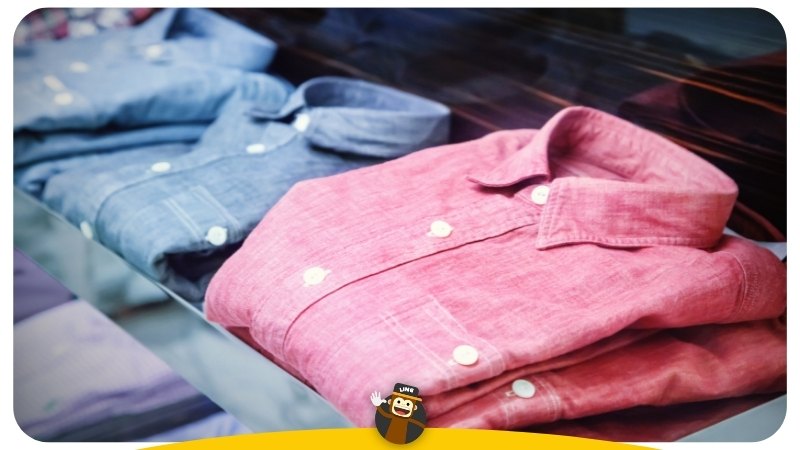
- La blusa/La camisa (Shirt/Button-down shirt) /
- La camiseta/La playera (T-shirt) /
- Los jeans (Jeans)
- El pantalón/Los pantalones
- El suéter/El saco (Sweater/Jumper) /
- El traje/El terno (Suit) /
Underwear In Spanish (Ropa Interior)
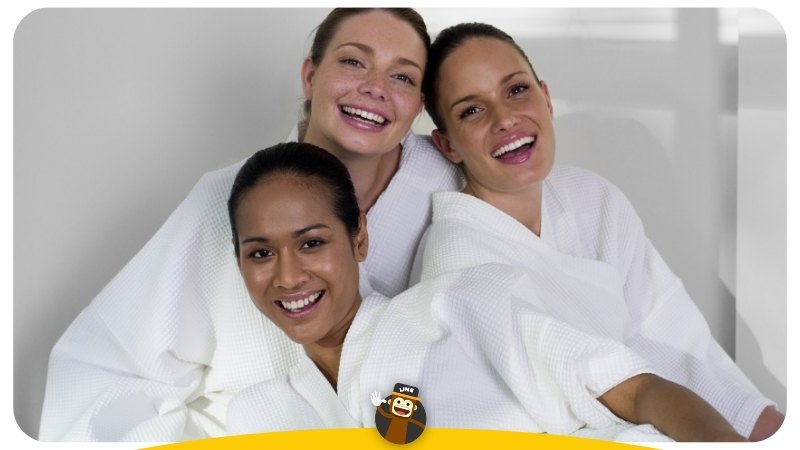
- La bata (Robe)
- El bóxer/Los calzoncillos sueltos (Boxers) /
- Las Bragas (Panties/Knickers)
- El camisón (Nightgown/Camisole)
- El calzón (underpants)
- Los calcetines/Las medias (Socks) /
- Los calzoncillos ceñidos (Briefs)
- Las pantimedias (Pantyhose/Stocking)
- La pijama (Pajamas)
- El sostén/El sujetador (Brassier) /
- La tanga (Thong)
Summer Clothes In Spanish (Ropa De Verano)
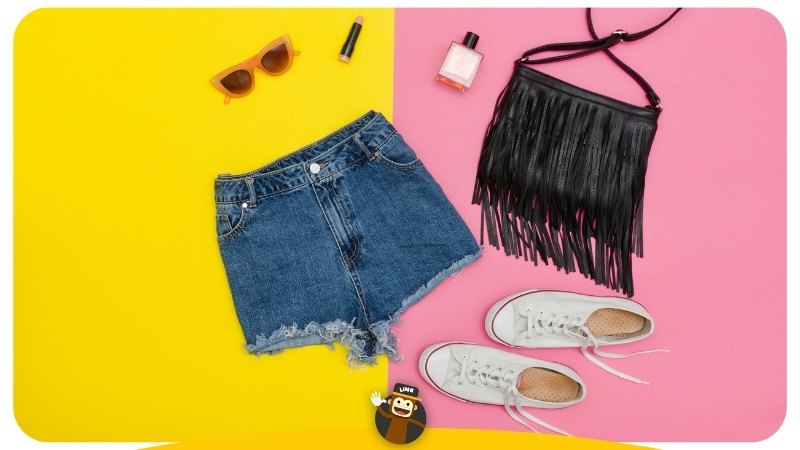
- Los pantalones cortos (Shorts)
- La falda (Skirt)
- La minifalda (The miniskirt)
- El traje de baño/El terno de baño/El bañador (Swimsuit/Bathing suit) /
- El vestido (Dress)
- El vestido sin mangas (Sundress)
Winter Clothes In Spanish (Ropa De Invierno)
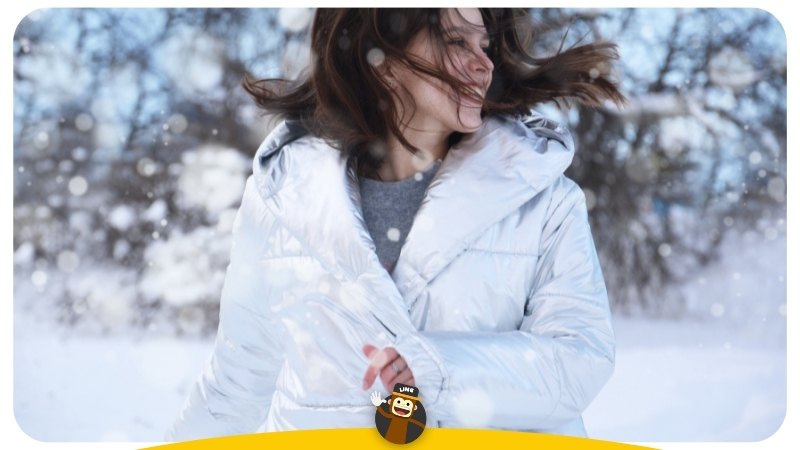
- El abrigo (Coat)
- La bufanda (Scarf)
- La chaqueta/La casaca (Jacket) /
- La chaqueta de cuero (Leather jacket)
- La camiseta de manga larga (Long-sleeve)
- El cárdigan (Cardigan)
- El chaleco (Vest)
- El gorro (Hat)
- Los guantes (Gloves)
- El impermeable (Raincoat)
- El saco cuello de tortuga (Turtleneck)
- El poncho (Poncho)
Sports Clothing (Ropa Deportiva)
- El buzo (Tracksuit)
- El calentador (Joggers)
- La sudadera (Hoodie/Sweatshirt)
- Los leggings/La licra/La malla (Leggings) / /
- Mangas deportivas (Sports sleeves)
- El sujetador deportivo (Sports bra)
Footwear (Calzado)
- Los zapatos (Shoes)
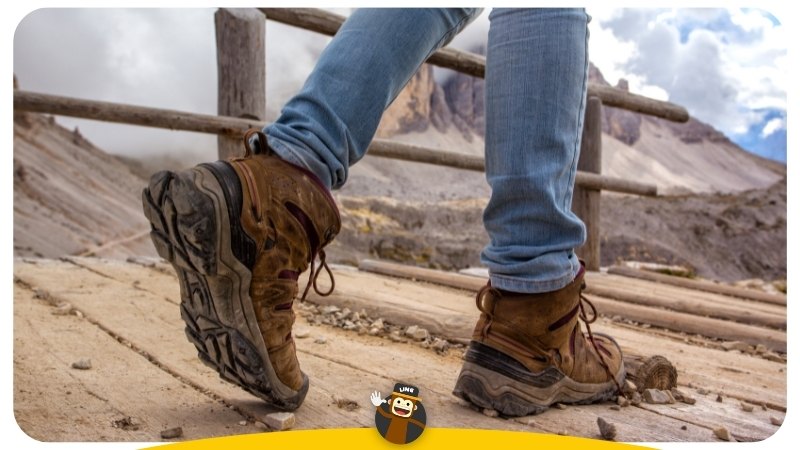
- Las botas (Boots)
- Las sandalias (Sandals)
- La chancleta/La chancla (Flip flop) /
- Las pantuflas (Slipper)
Accessories (Accesorios)
- El cinturón (Belt)
- La corbata (Tie)
- El reloj (Clock)
- El sombrero (Hat)
- El cintillo para el cabello/La diadema (Headband) /
- El anillo (Ring)
- El abanico (Fan)
Building Sentences About Clothes In Spanish

What Spanish Verbs Should You Use When Talking About Clothes?
The main verbs you should learn to talk about clothes are the following:
Llevar (To Wear/To have)
Poner (To Put on)
Tener puesto (To Wear)
Cambiar (To Change)
Sacar (To Take)
We will see practical sentences of these verbs in the next section.
Useful Expressions
Now, let’s move on to the practical use of these words in everyday life contexts.
The expressions that will help while shopping in Spanish-speaking countries are related to the characteristics of clothing, how to ask for prices and how to ask the owner to let you try the clothes on.
Let’s build some sentences with the previous clothing vocabulary and verbs.
Clothes shopping phrases:
- Cuánto cuestan los zapatos de la vitrina? (How much do the shoes in the showcase cost?)
- Me podría dar el precio de aquel vestido rojo? (Could you give me the price of that red dress?)
- Puedo probarme la camisa negra, por favor? (Can I try on the black shirt, please?)
- Tiene una talla más grande de traje de baño? (Do you have a larger swimsuit size?)
- Tengo que cambiarme el vestido. (I have to change my dress.)
- El cinturón que compré aquí ayer se rompió. (The belt I bought here yesterday broke.)
- Me llevaré las medias amarillas. (I’ll take the yellow socks.)
- El traje está caro. (The suit is expensive.)
- La ropa formal de ésta tienda es de calidad. (This store’s formal clothing has great quality.)
- Dónde puedo sacar la mancha de la camisa de mi esposo? (Where can I get the stain out of my husband’s shirt?)
General conversations:
- Me voy a sacar los zapatos. (I’m going to take off my shoes.)
- Quiero ponerme el sombrero antes de comprarlo. (I want to put on the hat before I buy it.)
- La mantilla, o velo de encajes, es un accesorio de ropa española. (The mantilla, or lace veil, is a Spanish clothing accessory.)
- Quiero ir a comprar ropa típica de Argentina. (I want to buy traditional Argentinian clothes.)
- El vestido formal de mi madre se rompió. (My mother’s formal dress tore apart.)
- Te gusta la ropa de marca? (Do you like brand clothes?)
Wrapping Up!
Now that you’ve read this post, you know exactly how to talk with locals at a clothing store and name each clothes in Spanish. If the time comes when you are not able to speak English with the locals, impress them with the skills you learned today!
Ready to learn more? Browse our Spanish blog for a collection of awesome topics related to culture and the Spanish language!
If you need even more useful Spanish vocabulary for your travel, we have put together a complete and useful list of words and phrases that will help you survive any situation abroad.
However, if you want to become fluent in Spanish, engaging in a course is the best route for you. We have the perfect option for you!
Learn Spanish With Ling App
Mastering Spanish conversations is easier than ever, even more, if you have the passion and will to learn this language. With Ling, you get fun Spanish lessons from beginner to advanced to achieve fluency without losing your motivation.
Remember that the key to achieving fluency is practice. Everything requires enough practice to master, but we often leave it behind because we lose motivation, or we get disinterested due to bad resources.
That is when Ling App will become your best companion, as you will never want to stop learning with this app!
An app that is worth your time and that will skyrocket your language skills, Ling will teach you essential vocabulary and grammar with sample questions, a chatbot, speaking and writing texts, and spaced-repetition games for effective and quick results.
Curious to know how it works? Download Ling App for free today!