

Imagine this: You are enjoying your vacation in Spain or Latin America, lying near a sunny beach. Suddenly, you start feeling sick, as if you caught a cold. You decide to go to the closest drugstore to get some medicine. You try to explain to the pharmacist what you feel, but your vocabulary is limited, and you don’t know how to name even the essential body parts in Spanish. Your words get lost in translation, and you end up getting a laxative that sends you to the bathroom every 10 minutes. Your vacation is ruined!
Okay, this example is a bit dramatic, but you never know what might happen. Knowing how to name body parts is essential, regardless of whether you are hurt or want to understand typical Spanish phrases and idioms.
If you are ready to boost your vocabulary and master Spanish words for the human body, ¡Sigue leyendo!
I want to learn even more languages with Ling!
Download now!
Definite Articles And The Body Parts In Spanish
If you’ve been learning the language for some time, you probably know that in Spanish, nouns have a gender, grammatically speaking. This means that Spanish nouns can be either masculine or feminine. Escorting the nouns, we have the articles classified into two types: definite and indefinite.
Today we’ll talk about body parts, but it’s essential to know the definite articles because, in Spanish, the parts of the body are often paired with them. This type of article introduces the noun it precedes, like a manager presenting a movie star. Both the article and the noun agree in gender and number. However, unlike English, which only has one definite article, “the,” in Spanish, we have four:
- Masculine forms: El (singular)/ Los (plural)
- Feminine forms: La (singular)/ Las (plural)
The Human Body – El Cuerpo Humano
Going back to elementary school, when we learned about the parts of the human body, I still remember the teacher saying: “The body is divided into three parts: the head, the trunk, and the limbs (extremities).” Today, we’ll break it down a little differently. We will cover the head, upper body, and lower body parts.
The Head In Spanish
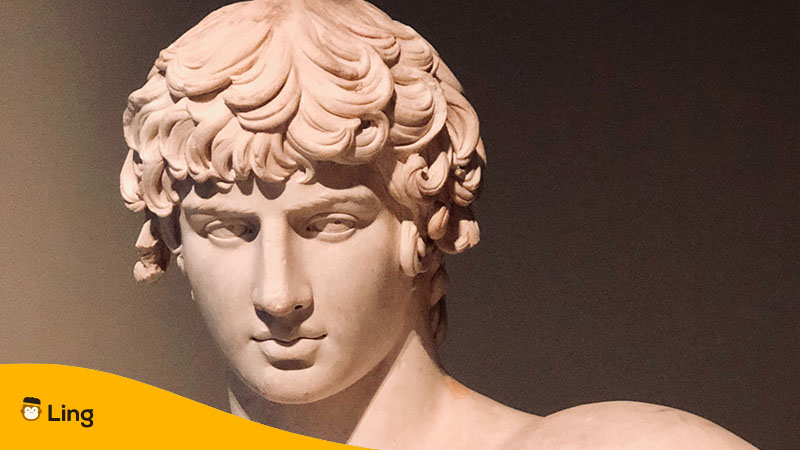
If we think about it, most of the features that identify us physically and distinguish us from other people are distributed in the head. Unless you know someone very well, you can’t tell who they are if you can’t see their face. So let’s explore the different parts that make up the head in Spanish.
| Spanish | English | Sound |
| La cabeza | Head | |
| El cabello / El pelo | Hair | |
| La cara | Face | |
| Los ojos | Eyes | |
| La nariz | Nose | |
| Las orejas | Ears | |
| La barbilla | Chin | |
| Las mejillas | Cheeks | |
| La frente | Forehead | |
| La mandíbula | Jaw | |
| Las cejas | Eyebrows | |
| Las pestañas | Eyelashes | |
| Los labios | Lips | |
| La boca | Mouth | |
| El diente / Los dientes | Tooth/Teeth | |
| La lengua | Tongue | |
| El cuello | Neck | |
Upper Body Parts In Spanish

Moving on, here comes the upper body. Our torsos are like shields or shells protecting essential organs. In addition to the torso, we have arms and hands, which assist us in most of our daily activities. Let’s see what we call these parts in Spanish.
| Spanish | English | Sound |
| Los hombros | Shoulders | |
| El pecho | Chest | |
| Los senos | Breast | |
| La espalda | Back | |
| El abdomen/barriga | Abdomen/belly | |
| El brazo/ los brazos | Arm/ arms | |
| El anterbrazo | Forearm | |
| El codo / los codos | Elbow / elbows | |
| La mano / las manos | Hand / hands | |
| La muñeca | Wrist | |
| Los dedos | Fingers | |
| La puntas de los dedos | Fingertips | |
| El pulgar | Thumb | |
| Los nudillos | Knuckles | |
| Las uñas | Fingernails | |
Lower Body Parts In Spanish

Now comes the support of our body, the lower part. Thanks to this section of the body, we can sit or stand and move from one side to the other. All the weight of our day lies on our feet, and they carry us to many places.
| Spanish | English | Sound |
| La cadera | Hip | |
| Las nalgas | Buttocks | |
| Los muslos | Thighs | |
| Las rodillas | Knees | |
| Las pantorrillas | Calves | |
| Los tobillos | Ankles | |
| El pie | Foot | |
| El talón | Heel | |
| El dedo del pie | Toe | |
Now that you know the external parts, I encourage you to get to know the internal organs in Spanish. You never know where life may take you. You may end up talking about your heart and kidneys at the doctor’s office.
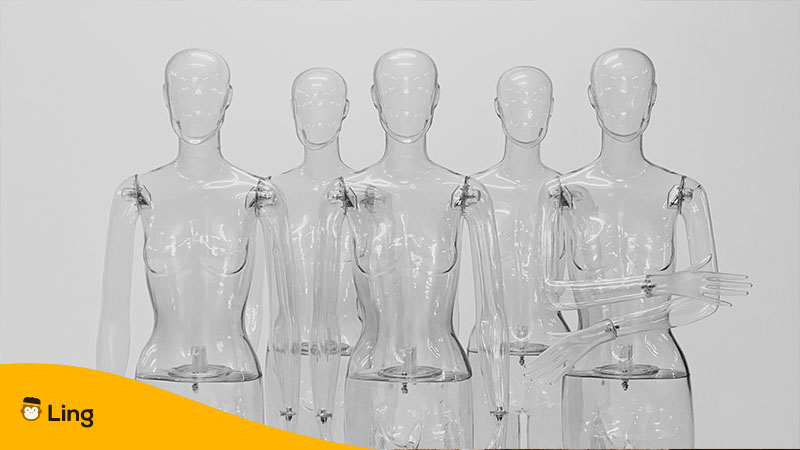
Spanish Phrases Related To Body Parts
Now that we have seen the essential parts of the human body in detail in Spanish, let’s build some example sentences using these words we have just learned.
Examples:
- Me voy a lavar el cabello. (I’m going to wash my hair.)
- Tengo la cabeza llena. (My head is full.)
- Mis ojos están empañados. (My eyes are foggy.)
- Me mordí la lengua. (I bit my tongue.)
- Luisa se torció el tobillo. (Luisa twisted her ankle.)
- Mi hermana tiene las piernas largas. (My sister has long legs.)
- Me sacaron la muela del juicio. (I had my wisdom tooth pulled.)
- Me rompí una uña. (I broke a nail.)
- A mi mamá le duele la rodilla. (My mom’s knee hurts.)
- Lávate las manos después de ir al baño. (Wash your hands after you go to the bathroom.)
- Mi amiga es una boca floja. (My friend has loose lips.)
Master Body Parts In Spanish With Ling

Now that you know the body parts, are you ready to practice?
Ling offers various dynamic activities where you can test your knowledge of body parts in Spanish. Engaging exercises to help you memorize and expand your vocabulary. Not sure about the pronunciation? No problem! Ling’s oral activities are made in collaboration with native Spanish speakers and educators who truly understand your language-learning needs.
Want to learn even more? Visit our Spanish blog, where you can find new weekly articles where you will learn vocabulary, grammar, and everything you need to speak Spanish fluently.
The best part? You can download it for free from the App Store or Play Store. Download it now and speak Spanish like a native with Ling! ¡Hasta la próxima semana!