Before you start booking a trip to Kuala Lumpur, Malaysia, it’d be best to know what you’re going into when it comes to food. After all, Malaysian street food is popular all around the world, and with good reason.
To make sure you won’t be eating plain hard boiled eggs on your trip, we’re giving you an insider look at the ultimate Malaysian street food items you might come across. From the humble nasi lemak to the balls-to-the-wall hokkien mee, this is the guide YOU’ll need on the best food from Village Park Restaurant to hawker stalls.
Here is a list of the ultimate Malaysian street food: what they mean, what they’re made of, and how they taste!
Learning Malaysian is more than memorizing words
Explore more →
Malaysian Street Food – All You Need To Know
Nasi Lemak – Malaysia’s National Dish

As we’ve mentioned before, nasi lemak is Malaysia’s national dish and one of the most popular Malaysian street foods you’ll find! The term nasi lemak comes from two words: nasi, which means “rice”, and lemak, which means “fat.” And boy, the taste is truly heavenly!
Nasi lemak is fragrant rice cooked in coconut milk and pandan leaf and served with peanuts, deep-fried anchovies, sambal (a chili sauce unique to Malay regions), cucumbers, and a protein such as fried fish or fried chicken. It is prepared with long or medium-grain rice and flavored with ginger, onion, plus good ol’ S&P.
Being the country’s national dish, there are many ways nasi lemak can be eaten. Malaysian street vendors may sometimes serve their nasi lemak with Chinese sausage, a hard-boiled egg instead of a fried egg, deep-fried fish, and more. But most of the time, if you’re having this at a random Malaysian street, chances are you’ll be eating from a banana leaf!
Most people see nasi lemak as a breakfast dish, but there’s no one to stop you if you choose to eat this every single meal for a week – it’s just that good! This Malaysian version of chicken rice is something you’ll be eating again and again.
Char Kuey Teow – Rice Noodles And Bean Sprouts Galore
While Chinese in origin, char kuey teow (sometimes char kway teow) is a stir-fried noodle dish, and one of the most popular Malaysian street foods worldwide! The name is derived from Hokkien, where char means “stir-fried” and kuey teow means “flat rice noodles.”
This Malaysian street food is made with these flat rice noodles, pork, shrimps, fish balls, seafood chives, fish sauce, and soy sauce. It is usually served with a variety of condiments, such as sambal, chili paste, sauce, dark soy sauce, and limes. Finally, a heaping pile of bean sprouts is added to the top for a nice crunch!
Char kuey teow is usually cooked in a cast-iron wok and on a large flame, which lends the dish a smoky, savory taste! It is traditionally served hot, but some people might choose to pack up their noodles to eat later at home. It’s still plenty good when lukewarm!
Satay – No Need For Soy Sauce!
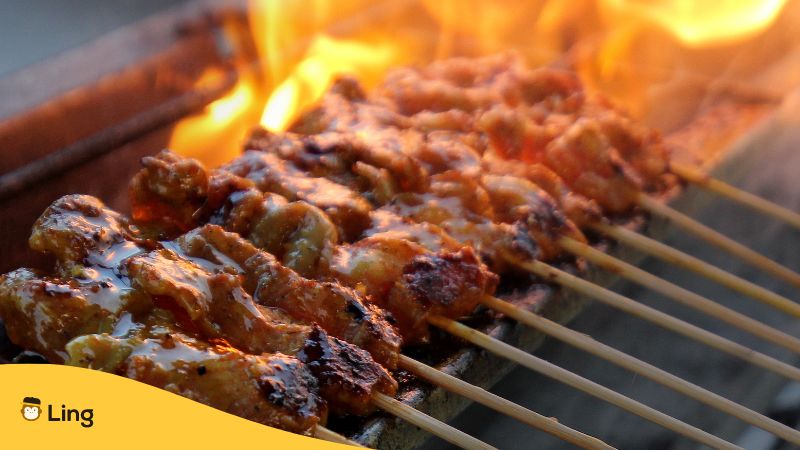
One of the most delicious dishes in Southeast Asia also happens to be one of the hottest Malaysian street food items ever! The word satay is believed to have originated from the Indonesian word sate, which means “skewered meat.” It is sold pretty much anywhere in Malaysia, and it is one of the best things you’ll ever taste.
Made typically with chicken, beef, and lamb, satay is made by first marinating the meat in a special blend of spices. Everyone who makes satay has their own recipe, but the most common are turmeric, coriander, lemongrass, or even palm sugar. Once done, they are skewered and grilled over an open flame, the smoke wafting across the street, inviting hungry passers-by to bite in.
And what a bite it will be. It has a sweet and savory flavor, with a hint of spiciness from the marinade. It is served with a spicy peanut sauce that adds a creamy, nutty flavor to the dish, complementing the smoky flavor of the grilled meat beautifully.
In Malaysia, this street food is commonly sold in hawker stalls and outdoor markets. It may come served on a plate or on a cup, with ketupat – a compressed rice cake found only in Malaysia.
Roti Canai – The Ultimate Malaysian Street Food Wingman
If you need to eat something fast and plentiful in Kuala Lumpur, you have to go for some roti canai. The two words have their origins in Tamil, with the word roti meaning “bread” and canai meaning “to knead.” This flatbread has a chewy texture and a rich taste and is a staple in hawkers’ stalls, food trucks, and restaurants in Malaysia.
Roti canai is simple enough to make – all you need is some flour, water, eggs, and some ghee, a type of clarified butter. Once the dough is formed, it is folded over and over until it develops a layered texture. Upon cooking – which is done on a large metal pan – the roti canai has a very soft, savory interior hiding inside its crispy, crackly exterior.
This flatbread is usually served along with a spicy curry, where you use the roti to dip into the curry with your hands – acting as a shovel for all that yummy curry goodness. You’ll find these all around Malaysia and even in many parts of Southeast Asia!
Apam Balik – Peanut Pancakes!
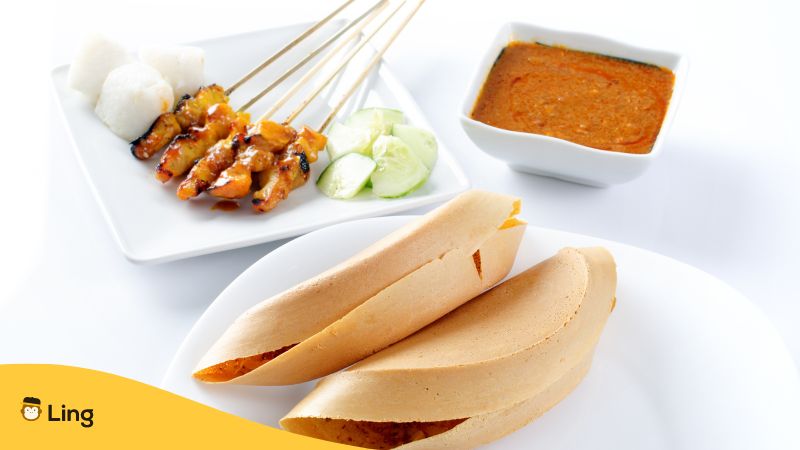
This Malaysian street food is one that keeps locals and tourists coming back for more! Apam balik translates to “flipped cake”, and is Malaysia’s very own version of a pancake. And as you’d expect, this sweet treat is an absolute joy to have!
Traditionally, apam balik is made with flour, eggs, sugar, baking powder, salt, butter, peanuts coconut milk, and sweet corn. You may find that some street vendors would add chocolate chips or grated coconut to theirs for a unique twist. Once the batter is all set, everything is poured onto a hot griddle.
But we’re not done – you’ll find that the uncle running the apam balik stall is sprinkling even more sugar, peanuts, and sweet corn on top of the already packed batter. And then he flips it over until it is brown, crispy, and smelling like something you can’t wait to get your hands on.
Its taste is sweet, nutty, with a crispy texture on the outside and a soft, fluffy, and creamy interior, mixed with the sweetness of the corn. Altogether, this gift from Malaysia to the world can be found in almost any local market or street corner. Have it as a dessert or as a snack to help you power through the day!
Rojak – The Fruity Snack For Adventurers
Feeling fruity? When it comes to Malaysian street foods, fruit takes on a brand new twist with rojak! Simply translated, rojak means “mixed” – just like the flavors you’ll get when you first dive into this unique Malaysian snack.
The ingredients change depending on the region, but rojak is generally made with mango, cucumber, jicama, fried tofu, and cuttlefish. To make it, slice the fruits and veggies into thin pieces and mix them with some petis – a sticky shrimp paste. Fried shallots, salt, palm sugar, bananas, lime juice, and crushed peanuts are added.
Rojak is hard to describe – but it definitely is a unique taste. It mixes sweet, savory, spicy, salty, and sour flavors together in a way that people in the west might not be familiar with, but it’s still worth trying. The combination of different vegetables and fruit gives the dish a crunchy and creamy texture, complemented by sambal and other sauces.
Hokkien Mee – Stir-Fried Goodness
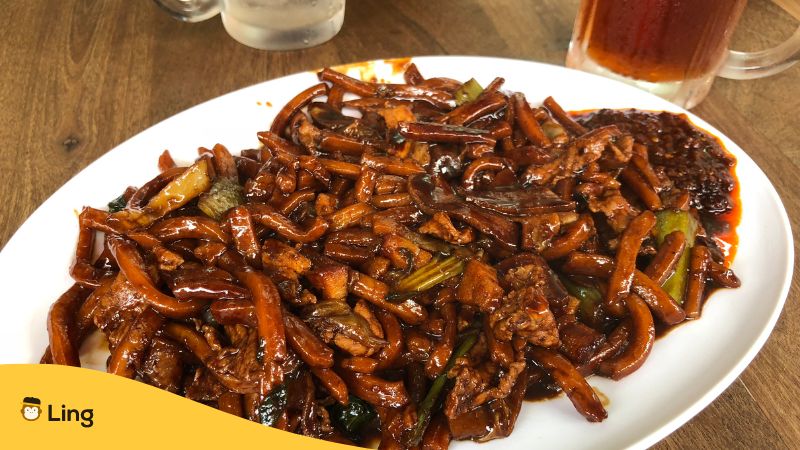
Hokkien mee is one of the most popular street food in Malaysia. It originated in the Fujian province in China, and Chinese immigrants to Malaysia brought this dish to the country. It is one of the most iconic stir-fried noodle dishes in the country, and with good reason!
This noodle is made with egg noodles as base, rice noodles, prawns, fish cakes, vegetables such as bell peppers and scallions, herbs, and a soy sauce marinade. It is usually served with a side of crispy pork lard, and a special sauce made with dark soy sauce, oyster sauce, sugar, and pepper.
What makes this dish special is how the noodles are cooked. They are made al dente by boiling them in fresh pork or chicken stock, before being stir fried with some shrimp paste and the rest of the ingredients. This gives hokkien mee a very deep, incredibly meaty flavor!
People describe hokkien mee as savory, slightly sweet, with hints of spice in the pepper. The combination of noodles, vegetables, and seafood create a unique, fresh dish that is flavorful and comforting.
Cendol – A Refreshingly Sweet Treat
This refreshing dessert is one of the best ways to beat the hot and humid days in Malaysia! While cendol is made from just a few simple ingredients they form a unique combination of flavors and textures, making it a truly delightful treat.
The word is believed to have originated from the Indonesian word jendol, which means “bump” – referring to the appearance of the cendol jelly, which resemble small green bumps or worms. Rice flour is jellied and flavored with pandan leaves, and pushed through a sieve to achieve a stringy texture.
Cendol is served in a bowl of shaved ice, topped with red beans, grass jelly, sweet corn, or glutinous rice, with some condensed milk for extra sweetness. It has a sweet, creamy, and slightly nutty flavor, with the shaved ice melting over time to balance out the sweetness and keep you cool!
Teh Tarik – Wash It All Down
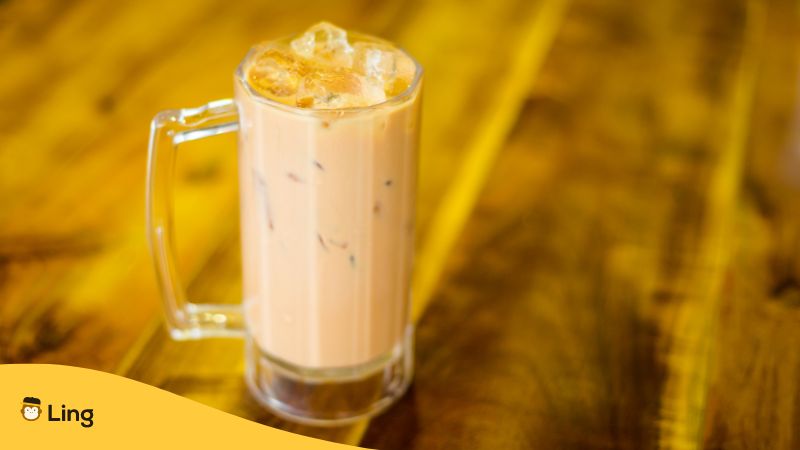
After all that eating, you might want to wash it down with some pulled tea: teh tarik! The name was taken from how it’s made: by pouring hot milk tea between two containers over and over to achieve a frothy and creamy beverage.
It is traditionally made by mixing brewed black tea with condensed milk, and then by pouring the beverage back and forth between containers, passing through a special sieve. It has a frothy and velvety texture, with lots of creaminess and a slight sweetness that compliments the bitterness of the tea.
In Malaysia, you may find this served in many hawker stalls, as a drink to go with roti canai or nasi lemak. They’re often made fresh to order, giving tea masters the opportunity to wow their customers with the tea-pulling process.
Orh Luak – Oyster-rrific!
One of the most popular dishes you may find when prowling the hawker markets of Kuala Lumpur would be orh luak – a type of oyster omelet. The word comes from Hokkien origin, and the taste absolutely mind-blowing!
The dish is made with fresh small oysters, in a dough of eggs, cornflour, and scallions. It is seasoned with salt and pepper and is deep-fried in a pan with a neutral-tasting oil, such as olive oil or canola oil. Once golden brown, it is garnished with more chopped scallions and served with a carb, typically ketupat or rice noodle rolls.
The omelet has a savory and slightly sweet taste, with a crunchy texture from the dough. The oysters lend a seafood-y aftertaste to the whole affair. Most people, especially people from Kuala Lumpur, prefer to add a bit of chili sauce for a spicier twist. This street food is great as a snack, or as an appetizer for a larger meal!
Learn More Malay Words With Ling App

Now before you hit “buy” on your ticket to Kuala Lumpur, it’d be best to go into the country with a bit of Malay knowledge. Knowing some of the language before your trip will help immerse you in a foreign culture much better!
Thankfully, the Ling App has you covered with hundreds of hours of lessons in Bahasa Melayu and 60+ other languages! We’ve made it so learning is easy, fun, engaging, and most of all: memorable!
To get started on your language learning journey today, download the Ling App for Android or iPhone.