When learning Malay, understanding how to express days and months in Malay is essential for everyday conversation, planning, and cultural connection.
For instance, Monday is Isnin and Wednesday is Rabu, while the months from January to December translate closely to their English counterparts, such as Januari for January and Februari for February.
These are some temporal expressions that open up a range of vocabulary for everyday use.
Learning Malaysian is more than memorizing words
Explore more →
This guide will teach you the days and months in Malay and share tips on counting and using these terms in context.
By the end, you’ll be able to say dates naturally and understand the local calendar terms, helping you dive into Malay culture with ease!
Table Of Contents

Malay Days And Months – Monday To Sunday, January To December
Right off the bat, we will look at how Malay people name their week.
For example, they have different names for Monday to Sunday, which will be listed below:
Days Of The Week In Bahasa Malaysia
The Gregorian calendar is used by most of the world to tell the day of the week.
Monday to Sunday was derived from Germanic and Roman traditions.
However, in Malay, the name for the days of the week was taken from the Arabic tradition.
Islamic days are numbered according to the Arabic numeral system.
Since Arabic has influenced the Malay language, the names for the days of the week have remained quite similar!
Here is a list of the days of the week in Malay and their Arabic origins:
| English | Malay | Arabic |
|---|---|---|
| Monday | Isnin | ithinin |
| Tuesday | Selasa | thalatha |
| Wednesday | Rabu | arba’a |
| Thursday | Khamis | khamsa |
| Friday | Jumaat | yaum al-arba’a |
| Saturday | Sabtu | saba’a |
| Sunday | Ahad | ahad |
Months Of The Year In Bahasa Malaysia
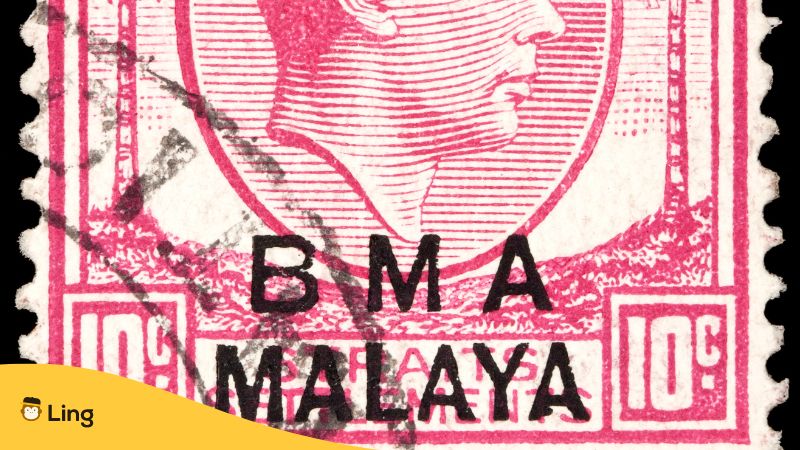
Like many other countries, Malaysia’s months are named in English due to its history of colonization.
Malaysia was a British colony for over a hundred years, during which time the British introduced the Gregorian calendar and its associated month names, which are used in English.
Even after Malaysia gained independence, the country continued to use the English month names as part of its inherited colonial legacy due to the widespread use of English in the country.
As a result, English remains an essential language in Malaysia and is used in education, business, government, and, of course, month names!
Here’s the list of months of the year in English and their Malay counterparts:
| English | Malay |
|---|---|
| January | Januari |
| February | Februari |
| March | Mac |
| April | April |
| May | Mei |
| June | Jun |
| July | Julai |
| August | Ogos |
| September | September |
| October | Oktober |
| November | November |
| December | Disember |
Important Days And Months In Malaysia
Here’s a bonus: we’ll tell you all about the most important Malay days and months, and holidays in Malaysia!
So keep this handy guide to know when to time your travel dates.
Keep in mind: modern Malaysia is culturally diverse, with Malays, Chinese, Indians, and indigenous groups all bringing unique holidays and celebrations.
1) Hari Merdeka
Hari Merdeka is Malaysia’s Independence Day, which falls on the thirty-first of August. It celebrates the end of British colonial rule in 1957.
Interestingly, the word merdeka is derived from the Sanskrit term maharddhika, which means “powerful, prosperous, and rich.”
2) Hari Raya Aidilfitri
This holiday marks the end of Ramadan, the month of feasting. It is celebrated nationwide as a two-day holiday.
On this day, Malaysian Muslims head to the mosque early in the morning and host open houses, where neighbors and friends are invited to celebrate and eat!
3) Hari Raya Aidiladha
Also known as Hari Raya Haji in Malaysia, the Feast of the Sacrifice is celebrated by all Muslims worldwide to commemorate the willingness of Prophet Ibrahim to sacrifice his own son to Allah.
It is marked by early morning prayer and a slaughter of the sacrifice: sheep, cow, or goat.
4) Chinese New Year
Also celebrated worldwide, the Chinese New Year is celebrated in Malaysia, usually around late January or early February.
Families typically attend a reunion dinner on New Year’s Eve, and children receive red envelopes filled with money from their elders!
5) Deepavali
Deepavali is observed by Malaysian Hindus.
Known as the festival of lights, Hindus set lights all over their homes to represent the victory of light over darkness, good over evil, and knowledge over ignorance.
Likewise, Hindus would go to their temples to cleanse themselves of sin.
6) Gawai Dayak
Also known as Hari Gawai, this festival is important to the Dayak communities especially in the Sarawak state of Malaysia and parts of Indonesia.
The Sarawak Gawai festival is traditionally celebrated on the first of June to mark the end of the rice-harvesting season.
7) Thaipusam
Known as one of the most shocking festivals in the world, Thaipusam is celebrated during the full moon in January or February.
Hindu devotees to the god Murugan pierce themselves with hooks to hang pots on their chests, get pulled by chariots, and more.

How Do You Say Day And Month In the Malay language?
In Malay, hari means “day,” and bulan means “month.” While these words are not always necessary in every context, they help complete expressions like Hari Isnin (Monday) or Bulan Januari (January), making it clear you’re referring to specific days or months.
These terms are fundamental in daily conversations, allowing you to navigate time-related discussions in Malay easily.
Frequently Asked Questions About Days And Months In Malay
What Is Malaysia Date Format?
In Malaysia, the standard date and time format is DD/MM/YYYY, meaning the day comes first, followed by the month and year.
This format is widely used in official documents, schedules, and everyday communication, ensuring that dates are clear and easy to understand.
It’s especially helpful in international contexts, where different countries may follow varying date conventions, so being familiar with this format will keep things smooth when traveling or interacting globally.
What Do You Call Malaysia Time?
When it comes to time, Malaysia operates on Malaysia Time (MYT), which is set at UTC+8.
Malaysia does not follow daylight saving time, so the time remains consistent throughout the year.
This makes planning activities or scheduling calls relatively simple, as the time zone doesn’t shift, unlike some countries that change their clocks seasonally.
If you’re coordinating with people in other countries, remember that Malaysia is ahead of many places, like India and Pakistan, but behind Japan and China.
What Are The Seasons And Months In Malaysia?
As for the climate, Malaysia is tropical and has two main monsoon seasons.
The Southwest Monsoon, which runs from May to September, brings drier weather to the western parts of the country.
Meanwhile, the Northeast Monsoon brings heavier rainfall from November to March, particularly along the east coast.
Unlike countries with four distinct seasons, the weather in Malaysia is hot and humid year-round, with occasional rain.
This consistent warm climate makes the country a year-round destination for travelers, though it’s best to consider the monsoon patterns for outdoor activities.
Upskill Your Malay Now With Ling!
By now, you’ve learned how to navigate through the days and months in Malay, from Monday to Sunday and January to December.
We’ve also explored important days and months in Malaysia like Hari Merdeka, Hari Raya Aidilfitri, and Deepavali, helping you understand the unique celebrations in Malaysia.
Understanding how to say days and months in Malay and the local date format will make you more comfortable in daily conversations and interactions.
If you enjoyed this guide, check out our other blog posts on time-related expressions like telling time in Malay and how to read date and time in Malay.
For more engaging language lessons, download the Ling app on your device and start learning today!
Whether you’re a beginner or an expert, you’ll find a wide range of lessons to master Malay and tons of other languages.