As you’ve moved to Kazakhstan, you have probably already been amazed by its vast open grasslands, horses, kind people, and ancient traditions, which make Kazakh culture one of the most inspiring for explorers. It isn’t just a statement, though!
While keeping this blog short, let’s explore Kazakhstan’s food, music, traditions, and way of life, which together create the vibrant Kazakh culture. Keep reading to discover fascinating customs, traditions, and the languages that the Kazakh people proudly preserve to this day.
1. Languages Spoken In Kazakh
In Kazakhstan, people speak two languages: Kazakh and Russian. Kazakh, a Turkic language, is the state language of the Republic of Kazakhstan and is mostly spoken at home or with family and friends. Russian, on the other hand, is the official language of Kazakhstan and is widely used in offices and by businesspeople and government officials of all ethnic groups.
I want to learn even more languages with Ling!
Download now!
2. The Nomadic Life Of The Kazakh People
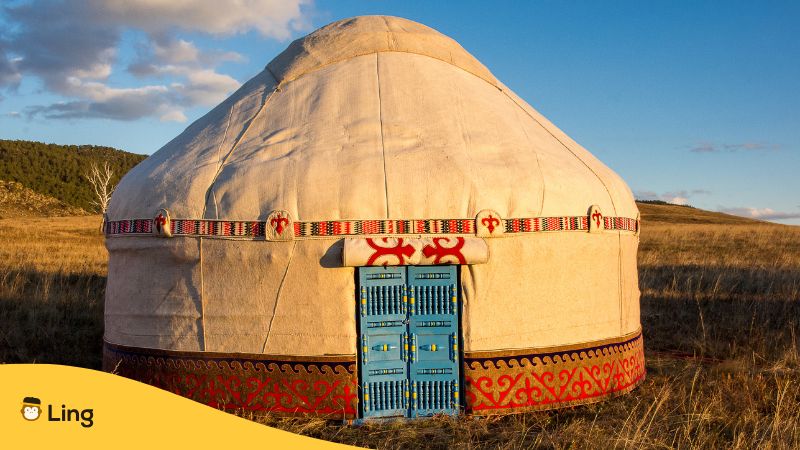
Long ago, Kazakhs lived as nomads in yurts, which were round tents made of felt and wood. By nomads, I mean they moved across the vast open lands, called the Steppes, of Central Asia with their animals in search of green grass and clean water. Their animals were very important because they provided food, milk, and warm clothing.
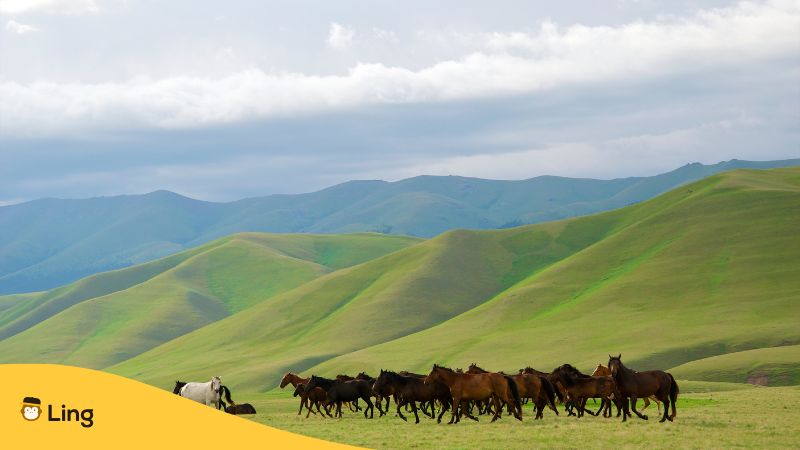
Horses were the most special, as people used them for traveling, carrying things, and even for sports. That is why Kazakhstan is known as the land of horses, and horses are still a major part of the Kazakh people’s lives.
Back then, people believed that a guest brought good luck to the home. Therefore, they always invited any traveler or stranger who passed by to share tea and food.
Although most people in Kazakhstan now live in cities, the nomadic spirit remains strong. That is why many Kazakhs still love nature, open spaces, simple living, and value hospitality. Most of traditional Kazakh culture originates from the customs of these nomadic tribes.
3. Food And Hospitality: The Major Part Of The Kazakh Culture
If there’s one thing that every expat in Kazakhstan should know, it’s that Kazakhs consider hospitality sacred. For them, guests are a blessing; therefore, they go to great lengths to make them feel welcomed. This culture of hospitality also came from the Kazakhs’ old nomadic way of life.
If you’ve been in Kazakhstan for some time now, you might have heard shopkeepers say ‘welcome’ as qosh keldiniz (қош келдіңіз) and serve you some tea with their traditional fried bread called baursak. As a guest, refusing their hospitality may be considered rude.
Beshbarmak is the national dish of Kazakhstan. They make it by boiling meat (lamb, horse, or beef), then stewing it with noodles, onions, and broth, and eating it with their hands. The name beshbarmak, meaning ‘five fingers’, reflects this tradition.
Main dishes are often accompanied by dairy-based foods or fermented milk drinks such as ayran and kumis. Ayran is a salty yogurt drink, while kumis is a slightly carbonated beverage, both usually made from mare’s milk.
You will most likely find horse milk in many dishes. As mentioned above, Kazakhstan is known as the land of horses.
4. Music And Storytelling: Soul Of The Kazakh Culture
Kazakh folk music is highly emotional and deeply inspired by nature, love, and history.
The dombra, a two-stringed folk instrument, is used to play tunes called kyuis (күй) that tell stories about love, bravery, and daily life. Storytellers, known as akyns, sing songs and poems that share old legends.
Through Kazakh folk music and storytelling, people have kept their culture, values, and identity alive for centuries. Many musical instruments, such as the kobyz (a two-stringed bowed instrument) and sybyzgy (a side-blown flute), are also used in traditional performances.
5. Traditional Kazakh Clothing That Everyone Loves
Traditional Kazakh clothes depict the country’s weather and nomadic way of life. Men usually wear a long robe called a chapan, wide pants, and leather boots.
Women wear long, brightly embroidered dresses with headscarves. During weddings, brides wear a tall, decorated hat known as a saukele to show pride in and the traditional beauty of their family.
During winter, they stay warm with fur hats and coats lined with animal skin. In crux, Kazakhs today wear their traditional dress primarily on national holidays, weddings, and cultural festivals to celebrate their culture.
6. Respect And Familial Kazakh Traditions
Respecting elders and maintaining strong familial bonds are also essential parts of Kazakh culture. Children are taught to respect and take care of their parents and grandparents. Families make a decision collectively, and family gatherings are compulsory during special events.
Families are brought closer and relationships are established through weddings, births, and funerals.
These traditions keep the values of Kazakh culture alive and maintain family ties across generations.
How Do You Say ‘Culture’ In The Kazakh Language?
The Kazakh word for culture is mädeniet (Мәдениет).
For instance, we say Kazakh culture as Qazaq mädenieti(Қазақ мәдениеті).
Quick & Useful Kazakh Phrases For Travelers
If you have just moved to Kazakhstan, learning the following few easy Kazakh phrases will surely help you in initiating small conversations:
| English | Kazakh | Transliteration |
|---|---|---|
| How Are You? | Қалыңыз қалай | Qalıñız qalay |
| Nice to meet you | Танысқаныма қуаныштымын | Tanısqanıma quanyshtymyn |
| This is delicious | Дәмді екен | Dämdi eken |
| Can you teach me any Kazakh words? | Маған қазақша сөз үйретесіз бе? | Mağan qazaqşa söz üyretesiz be? |
If you are already familiar with these phrases and want to advance in your Kazakh learning, try mastering the Kazakh alphabet, and your best source for it is right here: the Ling app.
Travel-Friendly Tips That Every Tourist Should Know Before Visiting Kazakhstan
Below are some handy traveling tips that are apparently simple, but hold a great place in Kazakh culture:
- Use simple phrases like saying Hello in Kazakh as Sälem (Сәлем) to bring smiles to locals’ faces, as people there appreciate foreigners speaking their language. If you aren’t yet confident, you can first practice speaking with Ling’s dialog feature.
- Remove your shoes when visiting someone’s home. It’s a polite gesture.
- Use both hands when giving or receiving things, such as cash or gifts. Kazakh people consider it a respectful gesture.
- Don’t say no to tea. It is a source of connection for Kazakh people. So, even if you just take a few sips, never refuse Kazakh hospitality. It is considered rude. Accept the offered cup of tea with both hands and say thank you in Kazakh as Rakh-met (Рахмет).
Frequently Asked Questions About Kazakh Culture
What Religion Do Kazakhs Follow?
Most Kazakhs are Muslim, but as Kazakhstan is a multicultural country, you can also easily find people of other religions, like Christians, etc.
Do Kazakh People Really Eat Horse Meat?
Yes, but mostly only on special occasions like weddings or Nauryz. Horse meat is a traditional Kazakh dish that comes from the old nomadic lifestyle, when horses were a major part of travel, work, and cuisine. Since then, horse meat has become the symbol of honor, hospitality, and respect.
What Are Some Popular Traditional Kazakh Sports?
Horse games are traditional sports in Kazakhstan. Some of the most popular horse games include:
Kokpar: similar to polo, but played with a goat carcass.
Kyzkuu: a horse-riding game between men and women, where players chase and try to catch each other.
Kuresi: a form of wrestling, but performed on horseback.
What Makes Kazakh Culture Special?: A Quick Recap
So, what is actually special about Kazakh culture? It is hard to single out just one aspect.
Kazakh music, art, traditional dress, and its tasty cuisine are all unique in their own way. Together, they create the welcoming and vibrant culture we know today. As you embrace Kazakh culture, remember that Kazakhs love their horses, value respect, equality, and kindness, and treat guests like family.
Here is a pro tip: celebrate Nauryz with them at least once to experience the warmth and openness of Kazakh culture yourself. It is the Kazakh New Year and is celebrated on 21 March every year. You can also visit Kazakh yurt camps in places like Almaty or Turkistan to see traditional Kazakh dwellings and learn about the life of Kazakh nomads.
Learn Kazakh With Ling To Make Yourself The Part Of The New Culture!
You can now start speaking Kazakh fluently with the Ling app, which helps you pronounce every letter accurately and speak each phrase with confidence. Its interactive dialog feature communicates with you in your chosen language, identifies pronunciation mistakes, and helps you correct them without judgment.
Additionally, with Ling, you can expand your vocabulary, master everyday phrases, and practice what you have learned, all within a single platform. Interesting, right?
So, make Ling your ultimate language partner, start learning Kazakh today, and confidently live in a new country as if you are a part of it!
The Ling app is available on both Android and iOS devices. Download it now and start learning right away!