Looking for ways to surprise your partner with some cute Ilonggo pet names? You can try calling them palangga, which means “darling” or “sweetheart”.
This post is all about Ilonggo love words and phrases that are simple, sweet and just romantic enough to make your favorite person blush. If you enjoy trying these out, the Ling app can help you pick up even more Ilonggo that will not only impress your partner, but also their family and friends.
I want to learn even more languages with Ling!
Download now!
Ilonggo Love Words And Phrases
A few Ilonggo love words and phrases you can use with your partner are palangga (sweetheart), palangga ko ikaw (I love you), and nahidlaw ko sa imo (I miss you). Let’s start with pet names and look at how to use them.
What Are Common Ilonggo Pet Names For A Partner?
The most common pet name in Ilonggo is palangga, which means “darling” or “sweetheart”. You can also use short versions of palangga, for example, langga, pangga, or ga. All three work like calling your partner “babe” or “dear” in English.
You can add ko at the end, which means “my”. Saying palangga ko is like saying “my love” or “my darling” in English.
What Are Some Ilonggo Words For Talking About Feelings?
Here are a few Ilonggo words for talking about love, liking someone, or missing them when they’re away:
- Love or affection (noun) – Gugma
- Love (noun) or to love (verb) – Higugma (as in ginahigugma ko ikaw – I love you)
- Liking (noun) or to like someone (verb) – Luyag (as in naluyagan ko ikaw – I like you)
- Longing (noun) or to miss someone (verb) – Hidlaw (as in nahidlaw ko sa imo – I miss you)
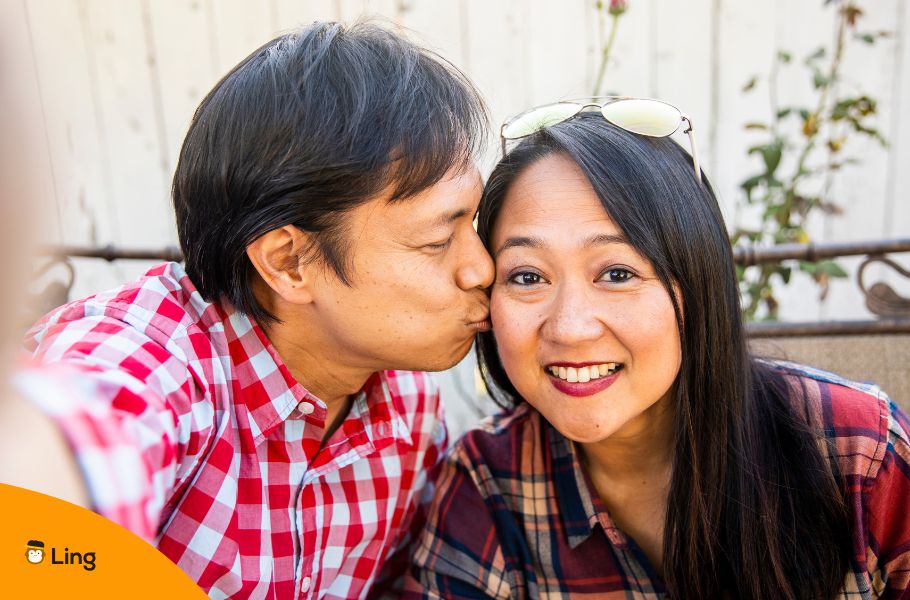
How Do You Say I Love You In Ilonggo?
The most common way to say I love you in Ilonggo is palangga ko ikaw.
You can also say palangga ta ka, which is a shortened, more casual form. To say it back, use palangga ta man ka, which means “I love you too”.
There’s also a deeper, more formal expression: Ginahigugma ko ikaw.
What Are Some Romantic Phrases In Ilonggo?
One of the sweetest things you can ask your partner in Ilonggo is Nakakaon ka na? (Have you eaten yet?). In Filipino culture, making sure someone’s had a meal is a way of looking after them.
Here are a few other Ilonggo phrases you can use to flirt, give your partner a compliment, or tell them how you feel:
| English | Ilonggo |
|---|---|
| Have you eaten yet, love? | Nakakaon na ang palangga ko? |
| How are you doing, my love? | Kumusta na ang akon pinalangga? |
| I miss you | Na-miss ta ka / Nahidlaw ko sa imo |
| Take care, okay? | Halong ka, ha? |
| You’re handsome | Gwapo ka |
| You’re pretty | Gwapa ka |
| I think about you all the time | Permi ko ikaw ginahunahuna |
| I’m here for you | Ari lang ko diri para sa imo |
| I’ll never leave you | Indi ta gid ka pagbayaan |
| I’m crazy about you (playful) | Dumango gid simo |
| You’re beautiful, my love | Hinigugma ko, katahom sa imo |
Tips For Dating An Ilonggo Speaker
Learning a few sweet things to say in Ilonggo is a good place to start, but it’s also important to understand the culture behind the words. Here are some useful tips you can follow:
- Always use a warm tone when saying Ilonggo love words. Ilonggos are known for being malambing, which means sweet, loving, soft-spoken, affectionate and gentle. This is also one of the reasons why Iloilo is known as the City of Love.
- Lots of Filipinos like to celebrate a monthsary, or a monthly anniversary of getting together. It’s a nice excuse to surprise your partner with flowers, a little gift or a song that reminds you of them.
- The Ilonggo word for “my” always goes after the pet name. If palangga means “sweetheart”, palangga ko means “my sweetheart”.
- When Ilonggo couples give each other pet names, they like to drop the first syllables. Saying langga or ga is more common in daily conversation than the full word palangga.
- Family is very important in Filipino culture. You may get to know your partner’s parents, siblings, cousins, aunts, and uncles. Before a family get-together, ask your partner who’ll be there and how to greet their older relatives to show respect.
- Before you meet your partner’s family, use an app to learn Ilonggo like Ling to practice simple greetings and ways to say thank you. Having a few words ready can make those first few minutes easier, and it shows your partner you’re making an effort to get to know the people they care about.

FAQs About Ilonggo Love Words
What Is The Ilonggo Word For Love?
The Ilonggo word for love is gugma, which can also mean affection or devotion.
Can I Use the Same Ilonggo Pet Name For A Boyfriend Or Girlfriend?
Yes, you can call either a boyfriend or a girlfriend palangga (sweetheart). Shorter options like langga, pangga, and ga are more often used between couples.
What Is I Miss You In Ilonggo?
I miss you in Ilonggo is nahidlaw ko sa imo. You can also say na-miss ta ka, which is a modern, casual mix of loanwords and native grammar.
How Do You Say I Love You Too In Ilonggo?
I love you too in Ilonggo is palangga ta man ka. You can say it back when your partner tells you palangga ta ka (I love you).
Are Ilonggo And Hiligaynon Love Words The Same?
Yes. Ilonggo and Hiligaynon are two names for the same language, so words like gugma (love) and palangga (sweetheart) are the same in both.
Recap: You Had Me At Palangga
Now that you’re all set on the most common Ilonggo love words and Filipino dating culture, you can put what you’ve learned into practice.
To call your partner a cute pet name, use the word palangga or shorten it to langga. When you’re ready to say “I love you”, use the phrase palangga ko ikaw, and when you really miss them, say nahidlaw ko sa imo.
Remember to always use a warm tone, to match your Ilonggo partner’s gentle side, and to do something special each month for your monthsary. That same thoughtfulness matters when you’re getting to know the people closest to them. To show you truly care, learn Ilonggo greetings and other phrases to impress not only your partner, but also their family.
Practice Everyday Ilonggo With Ling
Learning Ilonggo is a meaningful way to get to know your partner better and connect on a deeper level. That’s the idea behind the Ling app: it helps people from different cultures get to know each other through language.
Ling’s Ilonggo course is designed for beginners and intermediate learners like yourself. You can listen to native speaker audio and practice everyday phrases in short dialogs, so you get a feel for when to use them.
Download the Ling app to learn Ilonggo and start your 7-day free trial with the annual plan.