Do you argue with others whenever you hear them say that vegetables are not good? We are on the same team! There was a time when I didn’t want to eat my veggies, but those days didn’t last, since most of my favorite dishes are full of vegetables!
If you are vegan, vegetarian, or appreciate a healthy and fresh dish full of vegetables, you should start learning the names of all vegetables in Spanish. Especially if you are planning on a trip to Spanish-speaking countries.
This post will make your mouth water by showing you the most delicious vegetables famous in Spain or Latin American countries. Let’s begin!
I want to learn even more languages with Ling!
Download now!
Vegetables And Health
Have you heard about the Mediterranean diet? Surely yes! If you have ever tried the delights of these dishes, you may have realized how healthy and low in calories it is.
A large part of Spain lives with this diet. It is, in fact, the reason Spain often falls in the first position, and even in the first position of the healthiest countries in the world according to its diet.
The Mediterranean diet contains numerous vegetables in addition to white meats, fruits, whole grain products, and cereals.
Latin America, on the other hand, is not far behind. In many Latin countries, people’s diet is based on rice and the number of vegetables placed on the plate. You can even find vegetable dishes filled with meat stews with even more vegetables, such as one of my favorite dishes: ‘Las achojchas rellenas’ (stuffed azojcha), eaten in various Andean countries.
Word For Vegetables In Spanish
Imagine buying groceries at a market in Spain or Latin America. Nobody else speaks English, and you can’t find the vegetable section or want to find the best veggies in town. You would require to learn how to say ‘vegetables’ and a few sentences.
The Vegetables — Los Vegetales (Plural)
The Vegetable — El Vegetal (Singular)
The terms come from the Latin’ vegetābilis,’ which means plant and grow.

Sentence Examples:
- ¿Dónde puedo encontrar los mejores vegetales en este mercado? (Where can I find the best vegetables in this market?)
- ¿Me indica dónde se encuentran los vegetales, por favor? (Can you tell me where the vegetables are, please?)
- Necesito comprar vegetales frescos. (I need to buy fresh vegetables.)
- ¿Dónde está la sección de vegetales? (Where is the vegetable section?)
Vegetables are the parts of a plant except for its fruit. However, we usually consider botanical fruits part of the vegetable family. And so, the following list will also contain some of those fruits, such as avocado or olive.
Vegetable Vocabulary
An interesting fact that you should always keep in mind when learning Spanish is that as there are so many countries that speak this language, some have different terms for each vegetable or any other object.
In the following list, I will add the most popular or commonly known terms across most Spanish-speaking countries. But if there are more common terms for the same vegetable, I will include all the names for that respective vegetable.
| Spanish | English Translation |
| La Alcachofa | Artichoke |
| El Apio | Celery |
| El Aguacate | Avocado |
| La Albahaca | Basil |
| El Ajo | Garlic |
| El Azafrán | Saffron |
| El Calabacín | Zucchini |
| La Col/El Repollo | Cabbage |
| El Cilantro | Coriander |
| El Champiñón/El Hongo | Mushroom |
| El Chile | Chili |
| El Camote/El Boniato/La Batata | Sweet Potato |
| La Calabaza | Pumpkin |
| La Cebolla | Onion |
| La Canela | Cinnamon |
| La Coliflor | Cauliflower |
| Las Coles de Bruselas | Brussel sprouts |
| El Brócoli/El brécol | Broccoli |
| El Eneldo | Dill |
| El Romero | Rosemary |
| La Berenjena | Eggplant |
| El Orégano | Oregano |
| El Guisante/La Arveja | Peas |
| El Abrojo | Thistle |
| El Maíz/El Choclo | Corn |
| El Fréjol/Las Alubias/La Judía/La Habichuela | Beans |
| La Vainita/El Ejote | String beans/Long beans |
| El Maní | Peanut |
| Los Frijoles | Kidney beans |
| Los Espárragos | Asparagus |
| Los Pimientos | Bell Peppers |
| El Pimiento Verde | Green Pepper |
| El Pimiento Rojo | Red Pepper |

| Spanish | English Translation |
| El Garbanzo | Chickpea |
| El Puerro | Leek |
| El Haba | Fava bean |
| El Rábano/El Nabo | Raddish |
| La Mostaza | Mustard |
| La Remolacha | Beet |
| El Jengibre | Ginger |
| El Sésamo | Sesame |
| El Tomate | Tomato |
| La Yuca/El Guacamote/La Mandioca/El Ñame/La Casava | Cassava/Yucca |
| La Espinaca | Spinach |
| El Perejil | Parsley |
| Las Zanahorias/La Zanahoria | Carrots/Carrot |
| La Lechuga | Lettuce |
| La Patata/La Papa | Potato |
| El Pepino | Cucumber |
| La Lenteja | Lentil |
| La Quinua | Quinoa |
| La Oliva | Olive |
| El Chocho | Andean Lupin |
| Los Brotes de Soja | Bean sprouts |
| Las Calabacitas | Zucchini |
| El Quimbombó | Okra |
| La Col China | Bokchoy |
| La Moringa | Horseradish |
Spanish & Latin American Dishes Full Of Vegetables
The following is a list of Spanish or Latin American dishes that contain different vegetables in their recipe.
- Espinacas Con Garbanzos (Spain) – Chickpeas With Spinach
- Tacos Veganos (México) – Vegan Tacos
- Coliflor Española Frita (Spain) – Pan-Fried Spanish Cauliflower
- Arroz Español y Frijoles con Aceitunas de Pimiento (Spain) – Spanish Rice with Beans, Pepper and Olives
- Papas a la Huancaína (Peru) – Huancayo Style Potatoes
- Risotto de quinoa y Pimientos Amarillos (Many Countries) – Quinoa Risotto and Yellow Peppers
- Colchón de arvejas (Argentina) – Pea Mattress
- Locro de papas (Ecuador) – Potato (Stew) – The word ‘locro’ comes from the Quichua ‘luqru,’ meaning ‘stew.’
- Humita (Euador, Bolivia, Peru, Argentina) – Humita is a salty or sweet dish similar to a tamale (tamal). No literal English translation.
- Kivevé (Sopa de Calabaza) – Kivevé (Pumpkin Soup)
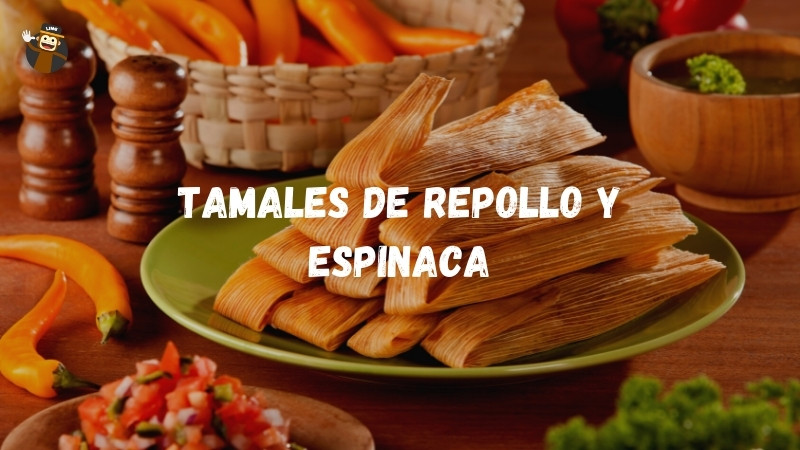
- Tamales de Repollo y Espinaca (Many Countries) – Cabbage and Spinach Tamales
How To Say ‘Vegetarian’ And ‘Vegan’ In Spanish
A vegetarian diet avoids any meat, including seafood. Many vegetarians can eat eggs, honey, and other animal-based products, but this diet consists mainly of fruits and vegetables.
Their main purpose is not to consume food that has been produced by sacrificing an animal. In addition, there are subcategories of vegetarianism, such as Lacto-ovo, Ovo vegetarians, and Vegans.
Yes, vegan is a category of vegetarianism, but much more strict.
The vegan diet consists of foods that are not derived or sub-derived from an animal. Even a broth that has been cooked with meat is something that vegans cannot eat.
In addition, this is reflected in their diet and other types of objects they use, such as clothing or utensils, which cannot be made of animal skin.
Terms In Spanish With Their Literal Translation Into English:
Vegetarian – Vegetariano/a
Vegan – Vegano/a
Example sentences:
- Las personas vegetarianas. (Vegetarian people.)
- Las personas veganas. (Vegan people.)
- Yo soy vegetariana. (I am vegetarian.)
- Mi padre es vegetariano. (I am vegetarian.)
- Mi mamá es vegana. Ella no come platillos que estén cocinados con productos animals. (My mom is vegan. She does not eat dishes that are cooked with animal products.)
- Quisiera ser vegano, pero no he podido dejar la carne. (I would like to be vegan, but I have not been able to give up meat.)
Interested In Learning More Spanish Words? Ling App Is Your Option!
Now that you have learned many vegetables in Spanish, you are ready to buy all the ingredients you need in Spanish the next time you visit a Spanish-speaking country. But there is still a long way to go to become fluent in this language!
Learn from names of dishes in Spanish to essential travel vocabulary. As soon as you start using the Ling App for your Spanish learning journey, you will desire to have come across it earlier. We know how tedious and complicated it can be for language learners to overcome obstacles until reaching the level that they want and need.
For that reason, Ling has the easiest, friendliest, and most engaging methodology that will allow you to go through a fun experience while learning exactly the words and phrases you will need once you start talking to native speakers. Forget about sounding awkward, only knowing what textbooks show you, and begin opening your mind to culture and daily life vocabulary.
Try Ling now!